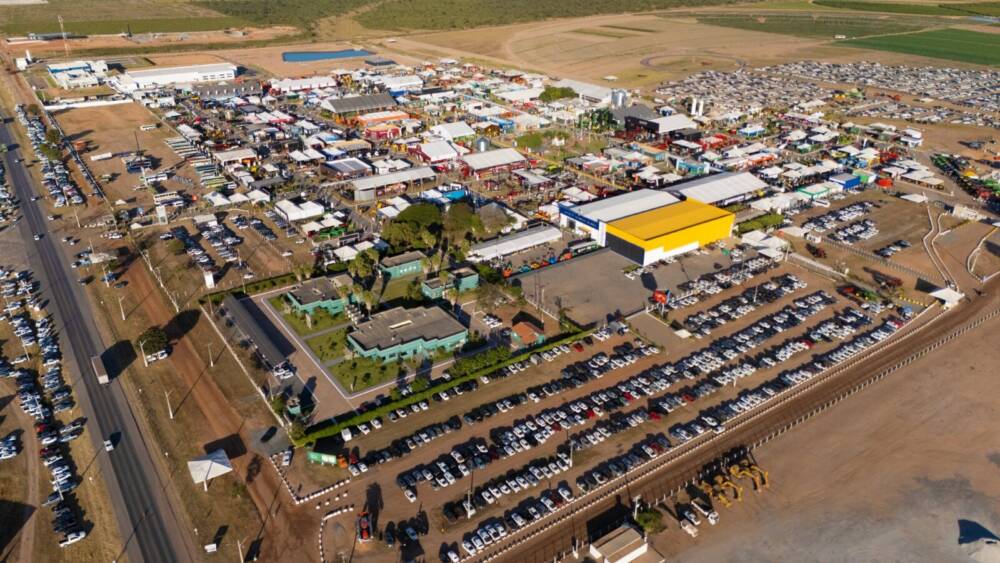
LUÍS EDUARDO MAGALHÃES, Brazil – The 20th edition of Bahia Farm Show concluded with strong growth across key indicators, reinforcing its position as one of Brazil’s leading agricultural exhibitions despite a challenging economic environment for the sector.
Organized by the Association of Farmers and Irrigators of Bahia (Aiba), the event attracted 172,328 visitors, a 6% increase compared to the previous edition. The exhibition also recorded significant expansion in industry participation, hosting 554 exhibitors, up 28% year-over-year, and 1,421 represented brands, a 26% increase. Organizers have already confirmed that the next edition will take place from June 7-12, 2027.
 The results were presented during a closing press conference attended by Moisés Schmidt, President of Aiba and Bahia Farm Show; Alessandra Zanotto Costa, President of the Bahia Cotton Producers Association (Abapa); Maicon Crestani, President of the Association of Agricultural Machinery and Equipment Dealers of Bahia (Assomiba); Jarbas Bergamaschi, President of Fundação Bahia; and Alan Malinski, General Coordinator of Bahia Farm Show.
According to Schmidt, the event exceeded expectations at a time when many agricultural segments continue to face financial pressure.
“The agricultural sector remains optimistic by nature, and this fair demonstrates that confidence. Farmers, exhibitors, and sponsors believed in the event, and producers attended in large numbers to evaluate technologies, conduct business, and strengthen relationships,” said Schmidt.
Government participation also contributed to the positive atmosphere. Brazil’s Vice President Geraldo Alckmin attended the opening ceremony alongside federal ministers and state authorities, announcing new financing initiatives, including the Move Brasil program, which will allocate approximately R$14 billion in credit for agricultural machinery purchases.
Demand Diversifies Beyond Grain Production
While machinery sales remained an important focus, exhibitors reported increasing interest in solutions beyond traditional row-crop production.
According to Maicon Crestani, President of Assomiba, demand expanded toward livestock equipment, soil preparation technologies, and diversified production systems.
“Given high interest rates, limited credit availability, and market uncertainty, expectations were initially cautious. However, we observed strong visitor traffic and a broader range of purchasing interests, reflecting producers’ efforts to improve efficiency and diversify operations,” Crestani noted.
Cotton and Soybean Performance Support Optimism
For Alessandra Zanotto Costa, President of Abapa, strong soybean yields and favorable expectations for cotton production helped encourage producer participation.
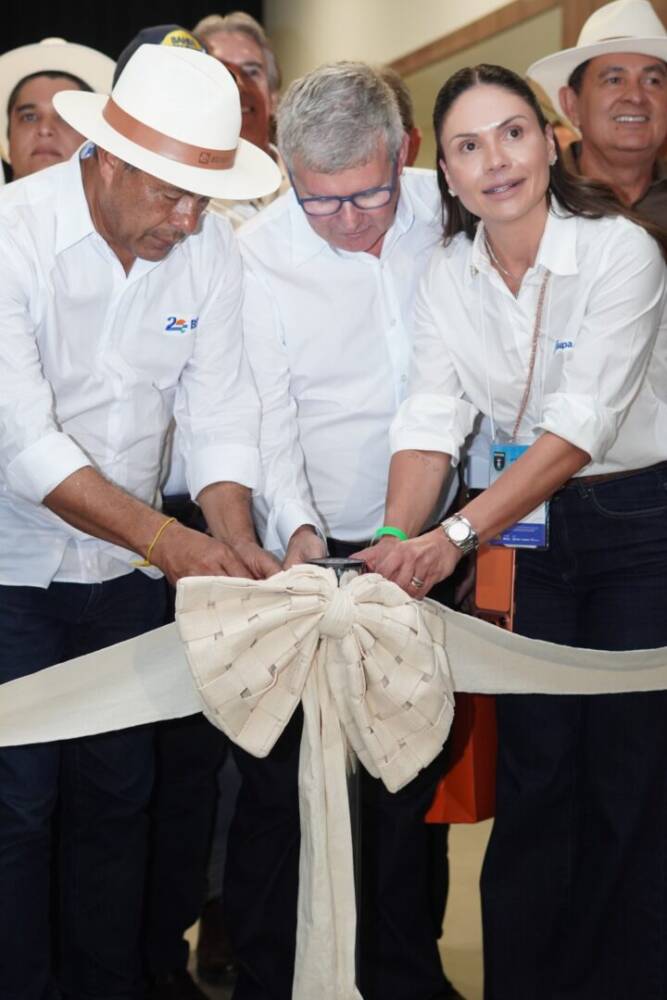 She highlighted the inauguration of Abapa’s new Fiber Analysis Center during the fair and the success of the Cotton Village exhibition area, which showcased the importance of cotton production to western Bahia and the broader Matopiba region.
Innovation and Knowledge Transfer
Organizers emphasized that Bahia Farm Show has evolved beyond a commercial exhibition into a platform for technology transfer and professional development.
General Coordinator Alan Malinski noted that investments in educational activities, technical tours, and student participation continue to strengthen the event’s role as a hub for agricultural innovation.
Similarly, Jarbas Bergamaschi, President of Fundação Bahia, said the fair served as an important venue for researchers, producers, industry representatives, and institutions to exchange knowledge and discuss future challenges and opportunities for Brazilian agriculture.
Family Farming and Technical Outreach Expand
The event also increased visibility for family farming operations. A dedicated pavilion hosted 34 exhibitors, representing a 21% increase compared to 2025.
Meanwhile, organized visitor groups remained a key feature of the exhibition. Bahia Farm Show welcomed 265 technical caravans, bringing more than 10,000 producers, students, consultants, and industry professionals from different regions of Brazil.
Media participation also expanded, with 201 accredited journalists and a 40% increase in digital content creators, including international media representatives.
Among the highlights of this year’s edition were the Startup Space, the Vozes do Agro discussion platform, the fair’s first livestock auction, expanded food facilities, and new infrastructure improvements.
The inaugural BFS auction, organized through a partnership between Aiba and Agro Antônio Balbino, generated approximately R$3 million in transactions.
With record attendance, increased exhibitor participation, and strong engagement from both producers and policymakers, organizers believe the 20th edition further strengthened Bahia Farm Show’s position as one of Latin America’s most influential agricultural events.