Are you ready to turn your passion into a thriving business? Launching your own subscription box service could be the perfect possibility for you! From beauty products to snacks to books, there is a subscription box for just about everything these days. If you’re eager to join the ranks of prosperous subscription box entrepreneurs, keep reading to find out how you can get started on this exciting journey.
Choosing the Perfect Niche for Your Subscription Box
So you’ve decided to take the leap and launch your very own subscription box service – congratulations! One of the most crucial steps in this exciting journey is . Your niche will determine the target audience for your box, the types of products you’ll offer, and ultimately, the success of your business.
Research Your Audience: Before you decide on a niche, itS vital to research your target audience.Consider factors such as demographics, interests, and buying habits. This will help you understand what your potential subscribers are looking for in a subscription box and tailor your offerings to meet their needs.
Identify Your Passion: When choosing a niche, it’s essential to consider your own interests and passions. Building a subscription box around a topic that you are passionate about will not only make the business more enjoyable for you, but it will also help you connect with your customers on a deeper level. Remember,passion is contagious,and your enthusiasm for your niche will shine through in your products and marketing efforts.
Creating a Memorable Unboxing Experience for Subscribers
Ready to Launch Your Own Subscription Box Service? Here’s How!
So you’ve decided to dive into the world of subscription boxes and offer your customers a unique and memorable unboxing experience. Here are some tips to help you create a successful subscription box service:
Understand Your Audience: before you start curating products for your subscription boxes, make sure you have a clear understanding of who your target audience is. What are their interests? What are they looking for in a subscription box service? By knowing your audience, you can tailor your boxes to meet their needs and preferences.
Curate High-Quality Products: The key to a successful subscription box service is to offer high-quality products that your subscribers will love. Take the time to research and source products that are unique, useful, and on-trend. Whether it’s beauty products, lifestyle items, or gourmet treats, make sure each item adds value to your box and enhances the overall unboxing experience.
Building Strong Relationships with Suppliers and Partners
Launching your own subscription box service can be an exciting venture,but it’s essential to have strong relationships with suppliers and partners to ensure success. Building trust and open interaction with your suppliers and partners is key to securing quality products,timely deliveries,and favorable terms. By fostering these relationships, you can create a reliable and efficient supply chain that will help your subscription box service thrive.
One way to strengthen your relationships with suppliers and partners is to maintain regular communication. Keep them updated on your business goals, product requirements, and any changes in demand. show gratitude for their hard work and dedication,and be open to feedback and suggestions. Negotiate fair terms that benefit both parties, and collaborate on promotional strategies to drive sales.By working closely with your suppliers and partners, you can build a solid foundation for your subscription box service and set yourself up for long-term success.
Key Strategies for Building Strong Relationships:
1. Communication
2. Appreciation
3. Fair Negotiation
4. Collaboration
Marketing Strategies to Drive Subscriptions and Retain Customers
Launching your own subscription box service can be an exciting and lucrative venture. By implementing the right marketing strategies,you can drive subscriptions and retain customers effectively. Here are some key tactics to help you succeed:
Targeted Social Media Advertising: Utilize social media platforms like facebook, Instagram, and Pinterest to create targeted ads that reach your ideal audience. By showcasing your subscription box service to the right people, you can increase the likelihood of converting them into subscribers.
Engaging Email Marketing Campaigns: Develop personalized and engaging email marketing campaigns to nurture leads and retain existing customers. Use segmentation to tailor your messaging based on subscriber preferences and behaviors, keeping them excited and engaged with your service.
In addition to these strategies, consider offering exclusive discounts, partnering with influencers, and leveraging user-generated content to attract and retain subscribers. By implementing a combination of these tactics, you can effectively drive subscriptions and keep customers coming back for more. Ready to launch your own subscription box service? With the right marketing strategies in place, success is within reach.
Future Outlook
So there you have it – the ins and outs of launching your very own subscription box service! from selecting your niche and products to creating a seamless customer experience, you now have all the tools you need to get started on this exciting venture.Remember, the key to success is staying true to your brand and providing value to your subscribers.so go ahead, put your creative hat on and start curating those boxes! Who knows, you might just be the next big thing in the subscription box world. Good luck, and happy launching!
Selling a business in France often appears simple at first glance, let’s look at the example of Yescapo. You find a buyer, agree on a price, sign documents, and move on. In reality, the process is usually far more complex. Many deals stall, stretch out over months, or fall apart at the final stage. In most cases, this does not happen because the business is fundamentally flawed. It happens because the seller underestimates what buyers need in order to feel comfortable moving forward.
Buyers are constantly assessing risk. When information is unclear, documents are missing, or answers feel vague, uncertainty increases. As soon as uncertainty appears, buyers slow down, start questioning assumptions, renegotiate terms, or step away entirely. Even strong businesses can struggle to sell if they are poorly prepared.
If your goal is a smooth business sale in France, the most effective strategy is to eliminate friction before it has a chance to surface. That means anticipating buyer concerns, organizing information in advance, and presenting the business in a clear, credible way. Below are the most common mistakes when selling a business in France, along with practical ways to avoid them.
Why many business sales in France fail or stall
A business sale in France is never just a handshake and a price agreement. It is a verification process. Buyers are not only buying a company. They are buying future cash flow, operational stability, and a level of predictability. That means they need proof. Proof that the earnings are real. Proof that the legal structure is clean. Proof that the business can continue operating once the owner steps away.
Many sellers believe buyers will automatically see the potential of the business. In practice, buyers rarely pay for potential on its own. Potential only has value when it is backed by clear financial data, consistent performance, and a realistic plan for how that potential can be unlocked. Without this, potential is treated as a risk, not an upside.
This is why business sales in France tend to break down around the same issues again and again. Financials that do not fully make sense. Documents that are missing or outdated. Asking prices that are disconnected from actual performance. Surprises that appear late in due diligence. Any one of these can slow a deal. Several of them together usually kill it. These are deal breakers even when the underlying business is fundamentally good.
Poor preparation before selling
One of the most common mistakes business owners make when selling is going to market too early. They list first and prepare later. Buyers notice immediately. If your financials are messy, your contracts are scattered, or key details are unclear, the buyer assumes there is risk and prices that risk into the deal.
Strong preparation before selling a business in France starts with clean, consistent financials for selling a business. Ideally, you can show clear performance over the last two to three years, explain unusual items, and separate personal expenses from business expenses. Buyers want to see what the company earns as a business, not what it earned under a specific owner’s lifestyle.
Preparation also means having the right documents needed to sell a business in France ready for review. If buyers cannot verify the basics quickly, they lose momentum. A slow start usually leads to a weak negotiation later.
Incorrect business valuation
Pricing is one of the most common points where sales fall apart. Setting the price too high is often the quickest way to lose serious buyer interest, especially in competitive markets. An inflated price also sends the wrong signal. When buyers feel that the number has little connection to reality, they assume the seller is driven by emotion or unrealistic expectations, and many will simply walk away without negotiating.
A solid business valuation in France should be grounded in facts. It needs to reflect the quality of earnings, the stability of cash flow, and how transferable the business really is. Buyers look closely at whether profits are consistent, how much the company depends on the owner’s personal involvement, and what operational or market risks could affect future results. Pricing a business for sale in France based only on turnover or on optimistic projections usually leads to frustration on both sides.
When owners ask, “how much is my business worth in France,” the most accurate answer is rarely a single figure. It is a realistic range supported by verified profits and a clear understanding of risk. Counterintuitively, a well-justified, realistic price often leads to a better final outcome. It attracts more qualified buyers, creates competitive interest, and increases the chance of achieving strong terms, rather than scaring buyers away with an ambitious number.
Ignoring the buyer perspective
Many sellers talk about the business the way they see it, not the way a buyer evaluates it. A buyer does not fall in love with your story. They look for a reliable asset. They want to know what buyers look for in a business in France: stable cash flow, clear operations, low dependency on the owner, and manageable risks.
A major deal killer is hidden problems when selling a business. Sometimes these problems are intentional, but more often they are simply overlooked. Customer concentration, informal arrangements with suppliers, unclear employment obligations, weak reporting, or operational chaos that the owner has learned to live with. Buyers will discover these during due diligence selling a business in France, and when they do, the conversation changes. Price drops. Terms become stricter. Trust disappears.
Making a business attractive to buyers in France does not mean dressing it up. It means presenting it clearly. Show how profit is generated, what drives demand, and how the business functions day-to-day without constant owner intervention. That is the language buyers understand.
Weak negotiation and deal structure
A business sale can fail even when the buyer wants it, simply because the deal structure is poorly handled. Sellers sometimes focus only on the headline price and ignore the conditions that make the price achievable. Payment terms, transition support, warranties, and timeline all matter.
The legal process of selling a business in France can feel heavy, especially for small business owners, but treating it casually is risky. A good guide to selling a business in France always includes professional support and clear terms. If negotiation is chaotic, or if key points are left vague, buyers become cautious. Cautious buyers either renegotiate late or delay until the deal fades out.
A strong seller negotiates with structure. Clear information, clear boundaries, and a willingness to shape terms that protect both sides.
Are you a small business owner looking to boost your marketing efforts? Look no further! In this article,we will provide you with some easy and effective marketing tips that can help take your business to the next level. From utilizing social media to creating engaging content, we’ve got you covered. So, grab a pen and paper, and let’s get started on growing your business!
Boost Your Online Presence with Social Media Marketing
Are you a small business owner looking to boost your online presence? Social media marketing is a powerful tool that can definitely help you reach a wider audience and grow your business. With the right strategies in place, you can increase brand awareness, drive traffic to your website, and ultimately increase sales.
One easy marketing tip for small businesses is to create engaging content that resonates with your target audience. Whether it’s sharing behind-the-scenes glimpses of your business, promoting special offers, or showcasing customer testimonials, creating valuable and relevant content will help you connect with your audience on a deeper level. Additionally, utilizing social media advertising can help you reach new customers and target specific demographics. By investing in targeted ads, you can increase your visibility and drive more traffic to your website. Don’t forget to engage with your followers by responding to comments and messages, and by actively participating in conversations on your social media platforms. By building relationships with your audience,you can create a loyal customer base that will help your business thrive.
Engage with customers through Email Marketing Campaigns
Email marketing campaigns are a powerful tool for small businesses to engage with their customers and drive sales. By sending targeted and personalized emails, you can build strong relationships with your audience and keep them coming back for more. Here are some easy tips to help you boost your business through email marketing:
Segment Your Email List: Divide your email list into smaller segments based on demographics, interests, or purchasing behavior. This will allow you to send more relevant and targeted emails to each group, increasing the chances of engagement and conversion.
Create Compelling Content: Make sure your emails are visually appealing and contain valuable information or offers that will entice recipients to open and click through.Use catchy subject lines,clear call-to-actions,and high-quality images to make your emails stand out in crowded inboxes.
Monitor Your results: Keep track of key metrics such as open rates, click-through rates, and conversions to see what is working and what isn’t. Use this data to optimize your email campaigns for better results in the future.
email marketing campaigns are a cost-effective and efficient way for small businesses to connect with their customers and drive sales.By following these simple tips, you can create engaging and effective email campaigns that will help you grow your business and reach your goals. So, start implementing these strategies today and watch your business thrive!
Utilize Local SEO Strategies to Increase Visibility
One of the most effective ways to boost your small business’s visibility online is by utilizing local SEO strategies.By optimizing your website and online presence for local searches, you can make it easier for potential customers in your area to find your business. Here are some easy marketing tips to help you get started:
Optimize Your Google My Business Listing
make sure your Google My Business listing is up-to-date with accurate information about your business, including your address, phone number, and hours of operation. This will help your business show up in local search results when potential customers are looking for products or services like yours.
Create Local Content
Boost your local SEO by creating content that is specific to your area. This could include writing blog posts about local events, featuring customer testimonials from people in your community, or even partnering with other local businesses for cross-promotion. By creating content that is relevant to your local audience, you can attract more local customers to your business.
Maximize Impact with Influencer Partnerships
Influencer partnerships can be a powerful tool for small businesses looking to maximize their impact in the market. By collaborating with influencers who have a strong online presence and a loyal following, you can reach a wider audience and increase brand awareness.
One way to make the most of influencer partnerships is to choose influencers who align with your brand values and target audience. This will ensure that their followers are more likely to be interested in your products or services. Additionally,consider working with micro-influencers,who may have smaller followings but higher engagement rates. These influencers can help you reach a more targeted audience and generate authentic interest in your brand.
Choose influencers who align with your brand values
Consider working with micro-influencers for higher engagement
Closing Remarks
So there you have it, some easy marketing tips to help boost your small business to new heights! Remember, consistency is key when it comes to marketing, so don’t be afraid to try out different strategies and see what works best for your unique business.With a little creativity and a lot of determination, you’ll be on your way to success in no time. Good luck, and happy marketing!
For decades, real estate investments relied heavily on gut feelings and old-school number crunching. But that’s changing fast. Artificial intelligence is now giving investors the power to evaluate deals, spot risks, and discover opportunities with a level of speed and accuracy that would’ve seemed impossible just a few years ago.
Whether you’re looking to find the perfect property, assess potential pitfalls, or manage your portfolio more effectively, AI is becoming the secret weapon for savvy investors. Let’s dive into how this technology is transforming the way we approach real estate investments.
Finding the Perfect Property Just Got Easier
Let’s be honest—finding the right investment property can feel like searching for a needle in a haystack. AI is changing that by helping investors zero in on properties that match their specific criteria.
Modern AI platforms let you set detailed parameters like capitalization rates, square footage, and neighborhood characteristics, then deliver a curated list of options that actually make sense for your strategy. But it goes deeper than that. These systems can dig through public records, zoning changes, and even social media activity to uncover properties that aren’t officially on the market yet.
What’s really cool is how AI uses satellite imagery to track things like urban growth, traffic patterns, and land development. This helps investors spot up-and-coming areas before everyone else catches on, which is gold if you’re trying to expand into new markets.
Seeing the Future of Property Values
One of AI’s superpowers is its ability to spot patterns and forecast what’s coming next. When it comes to real estate investments, this means getting a much clearer picture of where the market is headed.
Through sophisticated machine learning, AI examines comparable sales data, income trends, and local economic factors to predict how much a property might appreciate down the road. These platforms pull in live market data, giving you up-to-the-minute insights on property values, buyer interest, and neighborhoods that are about to take off.
Here’s where it gets interesting: AI lets you run “what if” scenarios. Want to know how a potential recession might affect your investment? Or how that new transit line being built nearby could boost property values? AI can model these situations so you’re not flying blind.
Making Underwriting Actually Efficient
Underwriting is crucial for any real estate deal, but traditionally it’s been slow and vulnerable to mistakes. AI is fixing both of those problems.
Instead of manually combing through financial documents, tax records, rent rolls, and utility bills, AI tools process all that information in a fraction of the time. This means fewer errors and much faster decisions. The technology compares local and regional market data to give you insights into neighborhood growth and competitive pricing that you might miss otherwise.
What really sets AI apart is how it adjusts for changing conditions in real-time. Interest rates shifting? Inflation concerns? AI algorithms factor these variables into your return calculations automatically, giving you a realistic picture of risk-adjusted performance.
This means you can quickly identify properties that’ll generate consistent cash flow while steering clear of ones with red flags like zoning issues or surprise maintenance costs lurking beneath the surface.
Getting Real About Risk
Every real estate investment comes with risk, but AI helps you understand exactly what you’re dealing with by pulling together information from dozens of different sources.
Climate change is a real concern for long-term property values, and AI can assess environmental risks like flooding, wildfires, and sea-level rise that might impact your investment years down the line. It also tracks broader economic signals—job growth, population shifts, interest rate movements—to gauge how they’ll affect specific markets.
If you’re investing in rental properties, AI can even evaluate potential tenants by analyzing credit histories, payment records, and demographic information. This gives you a much better sense of tenant reliability before you sign any leases.
By getting ahead of these risks, you can protect your portfolio and invest with more confidence.
Simplifying Property Management
AI doesn’t stop once you’ve made the investment. It’s also transforming how properties are managed, which directly impacts your bottom line.
Predictive maintenance systems use AI to monitor building systems and flag potential problems with heating, cooling, plumbing, or electrical before they turn into expensive emergencies. This cuts down on both downtime and repair bills. AI-powered chatbots and management tools can handle routine tenant questions and maintenance requests automatically, freeing up time for bigger priorities.
For anyone managing multiple properties, these tools are game-changers in terms of efficiency and cost savings.
Real-World Success: How Roofstock Transformed Property Valuation
Roofstock, a major data and investment platform in the single-family rental sector, faced challenges accurately valuing properties across diverse nationwide markets. They needed a way to review appraisals consistently, regardless of location.
Their solution? Integrating HouseCanary’s AI-powered analytics gave their appraisal team detailed neighborhood insights that exceeded many local experts’ contextual understanding. The AI automated processes and provided real-time data analysis, which dramatically accelerated their appraisal workflow.
The results were impressive: faster decision-making and the ability to efficiently manage significantly larger property volumes. This demonstrates how AI tools can level the playing field, giving investment platforms the analytical depth needed to compete at scale while maintaining accuracy across different markets.
What’s Next for AI in Real Estate
The future looks incredibly promising. Researchs suggests that AI will help investors optimize performance, build more resilient portfolios, and make data-driven decisions on a truly global scale.
We’re already seeing emerging technologies like natural language processing being used to extract information from lease agreements automatically, and machine learning algorithms that predict urban development patterns. As these tools become more affordable and accessible, even smaller investors will be able to compete with big institutional players.
The Bottom Line
Integrating AI into your real estate investment strategy—from sourcing and underwriting to risk assessment and management—gives you the tools to navigate the market with greater confidence and precision.
With AI on your side, you’re equipped to make decisions that are smarter, faster, and more strategic. It’s not about replacing human judgment, but rather enhancing it with powerful data and insights that help you make the most informed real estate investments possible.
Are you tired of overspending every time you hit the checkout button? Well, fret no more, because we’ve got you covered! In this article, we’ll show you just how easy it can be to save money by maximizing discounts and coupons. Whether you’re a seasoned bargain hunter or just starting out, we’ve got tips and tricks that will help you keep more cash in your pocket. So sit back, relax, and get ready to learn how to become a saving pro in no time!
Unleash the Power of digital Coupons for Instant Savings
in today’s fast-paced world, saving money has never been easier thanks to the power of digital coupons.With just a few clicks,you can unlock instant savings on a wide range of products and services. By learning how to maximize discounts and coupons, you can stretch your budget further and enjoy more of the things you love.
One of the best ways to save money is by using digital coupons offered by retailers and brands. These coupons can be easily accessed online or through mobile apps, making it convenient to save on your favorite items. To maximize your savings,be sure to check for coupon codes before making any online purchases. You can also sign up for email alerts from your favorite stores to stay updated on the latest deals and promotions.Remember, every little bit adds up when it comes to saving money!
Insider Tips for Stacking Discounts and Deals
Saving money can be as easy as stacking discounts and deals to maximize your savings. By combining various discounts,coupons,and promotions,you can score some incredible savings on your purchases. Here are some insider tips to help you make the most of your money-saving opportunities:
Sign up for newsletters: Many retailers offer exclusive discounts and coupons to customers who sign up for their newsletters. By subscribing to your favorite stores’ newsletters, you can stay updated on their latest promotions and discounts, allowing you to take advantage of these deals before anyone else.
Utilize cashback websites: Cashback websites offer you the prospect to earn money back on your purchases by shopping through their platform. Simply make your purchase through the cashback website, and you’ll receive a percentage of your purchase price back as cashback. This is a great way to earn extra savings on top of any discounts or coupons you may already have.
By following these insider tips, you can easily maximize your savings and get the most out of your money when shopping online or in-store.Don’t miss out on these money-saving opportunities – start stacking discounts and deals today!
Mastering the Art of Price Matching for Maximum Savings
Saving money doesn’t have to be a daunting task. With a little bit of effort and know-how, you can easily maximize discounts and coupons to get the best deals possible. One of the most effective ways to save money is by mastering the art of price matching. By understanding how price matching works and utilizing it to your advantage, you can save big on your purchases.
Price matching allows you to compare prices from different retailers and get the lowest price available. To maximize your savings through price matching, follow these tips:
– Research: Before making a purchase, research prices at different retailers to find the best deal.
– Bring proof: Make sure to bring proof of the lower price, such as a screenshot or advertisement, to show the retailer.
– be polite: Approach the retailer with a amiable attitude and politely ask if thay can match the lower price.
– Use coupons: Combine price matching with coupons for even greater savings.
by following these tips and mastering the art of price matching,you can become a savvy shopper and save money on all of your purchases.
Wrapping Up
And there you have it, folks! Saving money doesn’t have to be a daunting task. by maximizing discounts and coupons,you can enjoy all the things you love without breaking the bank. So go ahead,start implementing these money-saving tips and watch your savings grow. Remember,a little effort goes a long way when it comes to saving money. Happy saving!
If you’re running a crypto business or thinking about expanding into Europe, you’ve probably noticed that the regulatory landscape has changed dramatically. What worked two years ago might not cut it today, and what seems complicated now could be your competitive advantage tomorrow.
Let me walk you through what’s actually happening with crypto licensing in Europe right now—and more importantly, what it means for your business.
The MiCA Revolution: Europe Gets Serious About Crypto
The Markets in Crypto-Assets Regulation (MiCA) isn’t just another piece of EU legislation gathering dust. It’s fundamentally reshaping how crypto businesses operate across the entire European Union. By the end of 2024, we saw the first wave of requirements kick in, and 2025 is when things get real for most operators.
Here’s what makes MiCA different: it creates a unified framework across all 27 EU member states. No more playing regulatory arbitrage between jurisdictions (well, mostly). If you’re licensed in one EU country, you can passport your services across the bloc—but only if you play by the rules.
The regulation covers crypto-asset service providers (CASPs), stablecoin issuers, and just about anyone dealing with digital assets that aren’t already covered by existing financial regulations. Think of it as the EU saying, “We’re not banning crypto, but we are bringing it into the fold of regulated financial services.”
Why Your Jurisdiction Choice Matters More Than Ever
Not all EU countries approach crypto licensing the same way, even under MiCA. Some have built frameworks that make it relatively straightforward to get licensed and operational. Others, frankly, are still figuring things out.
Take the Czech Republic, for example. They’ve been progressive on crypto regulation for years, well before MiCA was even a glimmer in Brussels’ eye. The regulatory environment is mature, the authorities understand the technology, and there’s established precedent. That matters when you’re trying to get a license approved quickly.
Estonia also deserves mention—they were early movers in crypto licensing, though they’ve tightened requirements significantly after some high-profile cases. Lithuania has positioned itself as crypto-friendly while maintaining robust AML standards. Each jurisdiction has its own flavor of regulation, compliance expectations, and processing timelines.
The key is matching your business model with the right jurisdiction. Where you incorporate, where you hold licenses, and how you structure your operations can make the difference between months of headaches and a smooth path to market.
The Real Cost of Crypto Licensing (It’s Not Just the Application Fee)
Let’s talk money, because that’s usually the first question. When people ask about the cost of getting a crypto license in Europe, they often expect a simple number. The reality is more nuanced.
Yes, there’s an application fee—anywhere from a few thousand to tens of thousands of euros depending on the jurisdiction. But that’s honestly the smallest part of your total investment.
The real costs come from:
Capital requirements: Most jurisdictions require you to maintain a minimum amount of capital. This isn’t a fee you pay; it’s money that needs to sit in your company as a financial cushion. Depending on the services you offer and your jurisdiction, this could range from €50,000 to €150,000 or more.
Compliance infrastructure: You need robust AML/CFT systems, customer verification processes, transaction monitoring, and reporting mechanisms. Whether you build these in-house or outsource them, expect significant investment here.
Professional services: Legal counsel familiar with crypto regulations, compliance officers who know their way around MiCA requirements, and experienced consultants who can navigate the practical realities of getting licensed—these aren’t optional expenses if you want to do things right.
Ongoing compliance: Once you’re licensed, the work doesn’t stop. Regular audits, updated policies, staff training, and regulatory reporting become part of your operational overhead.
A realistic budget for getting fully licensed and operational in a major EU jurisdiction? You’re looking at €100,000 to €300,000, depending on complexity. And if that sounds like a lot, remember: operating without proper licensing in today’s environment can cost you everything.
Due Diligence: The Make-or-Break Factor
Here’s something that catches many crypto entrepreneurs off guard: regulators will examine your business with a microscope. And I mean really look at it.
They’ll want to understand your business model in detail. How do you generate revenue? Who are your customers? What exactly does your technology do? Where do funds flow? It needs to make sense, and it needs to be defensible.
Your corporate structure gets scrutinized. Who owns the company? Who are the beneficial owners? Are there any politically exposed persons (PEPs) involved? Any connections to high-risk jurisdictions? Your corporate structure needs to be clean, transparent, and purposeful.
The backgrounds of key personnel matter immensely. Directors, compliance officers, and major shareholders all face background checks. Past regulatory issues, even in unrelated businesses, can raise red flags. Criminal records? That’s often a deal-breaker.
They’ll also look at your AML/CFT framework. Do you have proper customer due diligence procedures? How do you monitor transactions for suspicious activity? What’s your process for reporting to authorities? These can’t be afterthoughts—they need to be robust and demonstrable.
This is where many applications fail. Not because the business model is bad, but because the documentation isn’t thorough, the structure isn’t defensible, or red flags weren’t addressed proactively. Working with specialists who understand both the regulatory requirements and the practical aspects of building a compliant crypto business—like the team at COREDO—can help you navigate these complexities before they become obstacles.
AML Compliance: Not Just a Box to Check
Anti-money laundering compliance in crypto is genuinely complex. The technology enables fast, cross-border transactions with varying degrees of anonymity. That’s great for users but creates genuine challenges for compliance.
Regulators know this. They expect crypto businesses to have sophisticated AML frameworks—often more robust than traditional financial institutions require. Why? Because the risks are real, and high-profile cases of crypto being used for illicit purposes have put regulatory authorities on high alert.
Your AML program needs several core components:
Customer identification and verification: Know Your Customer (KYC) isn’t optional. You need reliable methods to verify who your customers are, where they’re from, and that they’re not on sanctions lists.
Transaction monitoring: Automated systems that flag unusual patterns, large transactions, or activity consistent with money laundering. The algorithms need to be calibrated to your specific risk profile.
Risk assessment: Not all customers present the same level of risk. You need a framework for categorizing customers and applying appropriate due diligence.
Reporting mechanisms: When you identify suspicious activity, you need clear procedures for reporting to the appropriate financial intelligence units.
Staff training: Everyone in your organization needs to understand their role in AML compliance. That requires ongoing training and clear policies.
Many crypto businesses find it worthwhile to outsource at least part of their AML function, especially in the early stages. Building internal expertise takes time, and regulatory expectations don’t wait.
Legal Opinions and Documentation: Building Your Defense
When you apply for a crypto license, you’re not just filling out forms. You’re building a comprehensive dossier that proves your business is legitimate, compliant, and sustainable.
A well-crafted legal opinion on your business structure can be invaluable. This isn’t your standard corporate document—it’s a detailed analysis that addresses potential regulatory concerns before they’re raised. It demonstrates that you’ve thought through the legal implications of your operations and structured things appropriately.
You’ll need operating procedures documented in painful detail. How do you onboard customers? What happens when a transaction gets flagged? How do you handle customer complaints? What are your cybersecurity protocols? Every material process should be documented, approved, and ready to show regulators.
Financial projections and business plans need to be realistic and defensible. Regulators want to see that you understand your market, have a viable path to profitability, and aren’t just hoping to ride the crypto wave.
This documentation serves another purpose beyond the licensing process: it becomes the foundation of your operational compliance. When regulators conduct audits (and they will), these documents guide what you should actually be doing day-to-day.
Why Professional Guidance Actually Saves Money
I get it—adding consultants to your burn rate when you’re trying to launch a business feels counterintuitive. But here’s the reality: the cost of getting licensing wrong dwarfs the cost of getting it right with help.
Consider what happens when your application is rejected or stalls in regulatory review. Months of lost time, application fees gone, momentum killed. Your developers are twiddling their thumbs, your marketing is on hold, and potential competitors are eating your lunch.
Or worse, imagine launching without proper licensing because the process seemed too complicated. Now you’re operating in a gray area, and when regulators catch up—and they will—you face fines, forced shutdown, or even criminal liability depending on the jurisdiction.
Experienced advisors bring several things to the table:
Regulatory relationships: They know the people in regulatory authorities, understand how they think, and can navigate the informal networks that actually get things done.
Pattern recognition: They’ve seen hundreds of applications. They know what works, what doesn’t, and how to position your business to maximize approval chances.
Risk mitigation: They can spot potential issues in your structure or operations before they become application-killers.
Time efficiency: They can often compress timelines significantly by knowing exactly what regulators need and presenting it correctly the first time.
In the crypto space specifically, where regulations are still evolving and vary significantly by jurisdiction, having guides who’ve successfully navigated this terrain multiple times is invaluable.
Looking Ahead: Where Crypto Regulation Is Going
MiCA is just the beginning. European regulators are getting more sophisticated in their understanding of crypto, and expectations will only increase. We’re likely to see:
More granular regulation: As authorities better understand different types of crypto activities, we’ll see more specific rules for DeFi, NFTs, staking services, and other emerging segments.
International coordination: Europe isn’t regulating in isolation. We’re seeing increasing alignment between EU requirements and frameworks in other major jurisdictions. That could be good or bad depending on your business model.
Technology requirements: Expect more specific technical requirements around security, transparency, and auditability. Blockchain analytics, proof-of-reserves, and similar tools will likely become standard expectations.
Consumer protection focus: As crypto becomes more mainstream, consumer protection will get more attention. Clear disclosures, fair dealing standards, and compensation schemes may all come into play.
The businesses that thrive will be those that view compliance not as a burden but as a competitive advantage. Being properly licensed, transparently operated, and regulatory-forward builds trust with customers, partners, and investors.
Taking the First Step
If you’re considering crypto licensing in Europe, start with a clear-eyed assessment of your situation. What services do you actually offer? Which jurisdictions make sense for your target market? What’s your timeline and budget?
Then, talk to people who’ve been through this process. Learn from others’ experiences. Understand what regulators in your target jurisdiction actually care about—it’s not always what you expect.
The crypto industry is maturing, and regulation is a big part of that maturation. Yes, it adds complexity and cost. But it also legitimizes the industry, builds consumer trust, and creates a more stable foundation for long-term growth.
For businesses willing to do the work—to build proper structures, implement real compliance, and work constructively with regulators—the opportunities in European crypto markets remain enormous. The regulatory environment, properly navigated, isn’t a barrier. It’s a filter that separates serious businesses from fly-by-night operations.
And in the long run, that’s exactly what the industry needs.
Looking to navigate crypto licensing in Europe? COREDO specializes in helping businesses obtain financial and crypto licenses across EU jurisdictions. With deep expertise in regulatory compliance, AML consulting, and corporate structuring, we can guide you through the entire licensing process—from initial strategy to operational launch.
So you have a brilliant business idea and you’re ready to take it to the next level by creating your own online marketplace. Congratulations! In today’s digital age, having an online presence is crucial for reaching a larger audience and increasing your sales. But where do you start? Don’t worry, we’ve got you covered. In this article, we’ll guide you through the process of getting your business online and creating your very own marketplace. From choosing the right platform to marketing your products, we’ll help you every step of the way. Let’s get started!
Setting the Foundation for Your Online Marketplace
Creating your own online marketplace can be a lucrative and rewarding venture. With the right foundation in place, you can attract both sellers and buyers to your platform. Here are some key steps to get your business online and start building your marketplace:
First, you need to choose a reliable e-commerce platform to host your marketplace. Platforms like WordPress, Shopify, or Magento offer user-friendly interfaces and customizable options to help you create a unique and professional marketplace. Consider your target audience and the type of products or services you want to offer when selecting a platform.
Next, you’ll need to set up your marketplace website with a clean and user-friendly design. make sure your website is easy to navigate, with clear categories and search functionality. Focus on creating a seamless user experience to attract and retain customers. Additionally, incorporate secure payment gateways and customer support features to build trust with your users.
Understanding Your Target Audience and Niche Market
Creating your own online marketplace can be a game-changer for your business. By , you can tailor your offerings to meet their specific needs and preferences. This will not only attract more customers but also keep them coming back for more.
To effectively reach your target audience and dominate your niche market,follow these key steps:
Research Your Audience: Take the time to understand who your target customers are,what they are looking for,and how they prefer to shop online. This will help you tailor your marketplace to meet their needs and provide a seamless shopping experience.
Identify Your niche: Find a specific niche market that you can specialize in and dominate. This will help you stand out from the competition and attract customers who are looking for exactly what you have to offer.
By following these steps and , you can create a triumphant online marketplace that drives sales and grows your business.
Building a User-Friendly Website and Mobile App
is essential for businesses looking to thrive in today’s digital landscape. By creating a seamless online marketplace, you can attract more customers, increase sales, and build brand loyalty. To get started, follow these key steps:
1. Define your target audience: Before diving into the design and growth process, take the time to understand who your target customers are. What are their needs, preferences, and pain points? By having a clear understanding of your audience, you can tailor your website and app to meet their specific needs.
2. Create a user-friendly interface: When designing your marketplace, prioritize user experience. Make sure your website and app are easy to navigate, visually appealing, and responsive across all devices. Consider implementing features such as search filters, product recommendations, and secure payment options to enhance the overall user experience. By prioritizing user-friendliness, you can increase engagement, drive conversions, and ultimately, grow your business online.
Implementing Effective marketing Strategies to drive Traffic and Sales
Are you looking to boost your online presence and drive more traffic and sales to your business? One effective way to achieve this is by creating your own marketplace. By establishing a digital platform where customers can easily browse and purchase your products or services, you can expand your reach and increase your revenue.
To create your own marketplace, start by identifying your target audience and understanding their needs and preferences. This will help you tailor your marketing strategies and product offerings to attract and retain customers. Next, invest in a user-friendly website design that showcases your products or services in an appealing and professional manner. utilize search engine optimization (SEO) techniques to improve your website’s visibility on search engines and drive organic traffic. Additionally, consider implementing social media marketing campaigns to engage with your audience and promote your marketplace effectively. By implementing these strategies, you can successfully drive traffic and sales to your business and achieve your online marketing goals.
Final Thoughts
Now that you have learned the ins and outs of creating your own online marketplace, it’s time to put that knowledge into action and watch your business soar to new heights. Remember, the key to success is to always stay innovative, stay connected with your customers, and never stop learning and adapting to the ever-changing digital landscape. So go ahead,take that first step to get your business online and start reaping the benefits of having your very own marketplace. The possibilities are endless, and the potential for growth is limitless. Good luck on your journey to online success!
Unlocking efficiency: How Automation as a Service Can Transform Your Business
Have you ever wished there were more hours in a day to get everything done? Well, what if I told you that there is a way to make that happen for your business? Automation as a Service is here to revolutionize the way you operate, saving you time, money, and resources. In this article, we will explore how this cutting-edge technology can unlock efficiency and propel your business to new heights. Let’s dive in and discover the power of automation!
Unlocking Efficiency Through Automation as a Service
Automation as a Service (AaaS) is revolutionizing the way businesses operate by streamlining processes and increasing efficiency. By leveraging the power of automation, companies can save time and resources, allowing them to focus on more strategic initiatives.
One of the key benefits of AaaS is its ability to automate repetitive tasks, freeing up employees to focus on more critically important projects. This not only improves productivity but also reduces the risk of human error. Additionally, AaaS can provide real-time insights and analytics, helping businesses make data-driven decisions quickly. With the right automation tools in place,organizations can unlock their full potential and stay ahead of the competition.
Automation as a Service offers a wide range of benefits for businesses looking to improve efficiency and drive growth. By embracing automation, companies can streamline processes, reduce costs, and gain a competitive edge in today’s fast-paced business surroundings.
Streamlining Operations with Automated Workflows
Unlocking Efficiency: How Automation as a Service Can Transform Your Business
As businesses strive to stay competitive in today’s fast-paced market, streamlining operations is key to success. One way to achieve this is through automated workflows, which can help eliminate manual tasks, reduce errors, and increase productivity. By implementing automation as a service, companies can unlock a new level of efficiency that can transform the way they do business.
With automation,repetitive tasks such as data entry,file management,and email notifications can be easily automated,freeing up valuable time for employees to focus on more strategic initiatives.By creating workflows that automatically trigger actions based on specific criteria, businesses can ensure that processes are completed in a timely and consistent manner.This not only improves efficiency but also enhances the overall quality of work. Embracing automation as a service is a powerful way for businesses to optimize their operations and drive growth in today’s digital age.
Maximizing Productivity with AI-Powered Tools
Efficiency is crucial in today’s fast-paced business environment, and one of the key ways to achieve it is through the use of automation powered by artificial intelligence. By harnessing the power of AI-powered tools, businesses can streamline processes, eliminate repetitive tasks, and ultimately maximize productivity.
One way to leverage AI for efficiency is through Automation as a Service (AaaS). This service provides businesses with access to cutting-edge automation technology without the need for extensive technical knowledge or resources. With aaas, tasks such as data entry, customer support, and scheduling can be automated, freeing up valuable time for employees to focus on more strategic initiatives. Additionally,AaaS can definitely help businesses reduce errors,improve accuracy,and ultimately boost overall productivity. By adopting AI-powered tools and embracing Automation as a Service, businesses can unlock new levels of efficiency and stay ahead of the competition.
Driving growth and Innovation with Automation Strategies
Automation as a Service (AaaS) is revolutionizing the way businesses operate by streamlining processes, reducing human error, and increasing productivity.By leveraging automation tools and technologies, companies can drive growth and innovation while unlocking new levels of efficiency.
One key benefit of AaaS is the ability to automate repetitive tasks, allowing employees to focus on more strategic and value-added activities. This not only saves time and resources but also improves overall job satisfaction and employee engagement. Additionally, automation can definitely help businesses scale quickly and adapt to changing market conditions with ease. By implementing AaaS, organizations can stay competitive in today’s fast-paced business environment and position themselves for long-term success.
The Conclusion
As we wrap up our journey into the world of automation as a service,it’s clear that the possibilities for transforming your business are endless. By harnessing the power of automation, you can unlock new levels of efficiency, productivity, and innovation. So why wait? Take the leap into the future of business today and watch as your operations soar to new heights. Embrace the power of automation as a service and get ready to revolutionize the way you do business. The future is now, so let’s make it happen together!
A Comprehensive Guide to Modern Investing in the Digital Age
Did you know? Quantitative investment approaches processed a staggering $370 billion in trading transactions during mid-2022, marking them as one of the few success stories in an otherwise challenging market environment.
The investment world stands at a pivotal crossroads where cutting-edge technology meets traditional financial wisdom. Today’s investors have unprecedented access to sophisticated tools powered by artificial intelligence, machine learning algorithms, and advanced computational systems that were once exclusively available to Wall Street giants. This transformation isn’t just changing how we invest—it’s fundamentally reshaping who can participate in wealth creation and how successful those efforts can be.
What makes this revolution particularly exciting is its democratizing effect. Technologies that once required massive infrastructure and specialized teams are now accessible through user-friendly applications on smartphones. Whether you’re a seasoned institutional investor managing billions or an individual just starting your investment journey, the playing field has never been more level. Let’s explore how this technological transformation is unfolding across every aspect of modern investing.
Understanding Modern Investment Strategies
Investment strategies have always served as the fundamental framework guiding investors toward achieving their financial aspirations. These approaches are inherently personal, shaped by individual circumstances, financial objectives, comfort with uncertainty, and long-term goals. What’s fascinating about today’s investment landscape is how traditional wisdom is being enhanced—not replaced—by technological capabilities that previous generations could only dream about.
Historically, investment decisions relied heavily on human intuition, decades of experience, and pattern recognition developed over countless market cycles. While these elements remain valuable, they often struggled with limitations like processing capacity constraints, unconscious biases, and slower reaction times to rapidly changing market conditions. The marriage of traditional expertise with modern technology is creating hybrid approaches that leverage the best of both worlds.
Traditional Approaches That Still Matter
Before diving into technological innovations, it’s worth understanding the foundational strategies that have guided investors for generations. Growth investing focuses on identifying companies positioned to deliver exceptional future returns, essentially betting on tomorrow’s market leaders. This approach requires vision and the patience to wait for potential to materialize into profits.
Value investing, popularized by legendary investors, takes a contrarian view by seeking undervalued stocks that the market has overlooked or temporarily dismissed. This strategy assumes markets sometimes overreact, creating opportunities for patient investors who can identify genuine quality beneath surface-level concerns. Quality investing emphasizes the fundamental strength of companies themselves—their management, competitive advantages, and operational excellence—rather than short-term market perceptions.
The buy-and-hold approach represents perhaps the most time-tested strategy, built on the premise that quality investments appreciate over extended periods despite short-term volatility. This method can incorporate elements from multiple strategies, creating diversified portfolios designed to weather various market conditions while capturing long-term growth.
Breaking Down Barriers to Investment Success
How technology removes traditional investment barriers
For decades, everyday individuals faced significant obstacles when attempting to build investment portfolios. The complexity of financial terminology, regulatory requirements, and product diversity created an intimidating landscape that discouraged participation. Educational systems rarely provided comprehensive financial literacy training, leaving most people unprepared to navigate investment decisions confidently.
European households, particularly those in France, have historically gravitated toward conservative options like bank deposits and government-regulated savings accounts. This preference persists despite inflation gradually eroding purchasing power. The hesitation stems from multiple factors: insufficient financial education, constantly shifting regulatory frameworks, difficulty assessing risk accurately, and an industry culture filled with technical jargon that alienates rather than welcomes new participants.
Technology is systematically dismantling these barriers through innovative solutions. Educational platforms now offer diverse learning formats—interactive videos, gamified lessons, podcasts, and comprehensive courses—making financial literacy accessible and engaging. Virtual assistants powered by artificial intelligence provide continuous support, answering questions and explaining concepts in plain language. Real-time simulation tools allow prospective investors to experiment with different strategies without risking actual capital, building confidence through hands-on experience.
The Data Revolution in Investment Decision-Making
Comparison of data processing capabilities: Traditional vs. AI-Powered methods
Perhaps the most transformative aspect of modern investment technology is the unprecedented ability to process massive volumes of information. Traditional analysis methods, while valuable, simply cannot match the speed and comprehensiveness of contemporary computational approaches. Artificial intelligence systems can analyze thousands of data points simultaneously, identifying patterns and relationships that would take human analysts months or years to uncover.
This computational power translates directly into superior investment insights. Portfolio managers can now detect market inefficiencies in real-time, dynamically adjusting asset allocations to capitalize on emerging opportunities. Multi-asset tactical allocation strategies automatically rebalance based on changing conditions, optimizing performance without constant manual intervention. The algorithms examine everything from traditional financial metrics to alternative data sources like social media sentiment, consumer behavior patterns, and macroeconomic indicators.
The sophistication of these systems extends beyond mere number-crunching. Machine learning algorithms continuously improve their accuracy by learning from outcomes, refining their predictive models with each market cycle. They can process unstructured data—news articles, earnings call transcripts, regulatory filings—extracting meaningful signals from noise. This capability represents a quantum leap from traditional approaches that relied primarily on structured financial statements and historical price data.
Artificial Intelligence: The New Investment Partner
The interconnected capabilities of AI in modern investment strategies
Artificial intelligence has emerged as a genuine game-changer in investment management, offering capabilities that fundamentally alter what’s possible in portfolio construction and management. Unlike traditional computational tools that follow rigid programming, AI systems learn, adapt, and improve over time, developing increasingly sophisticated understanding of market dynamics and relationships.
The speed advantage alone represents a revolutionary change. AI-powered systems operate at computational velocities measured in milliseconds, identifying and acting on opportunities before human traders even recognize they exist. In volatile markets where conditions change rapidly, this speed differential can mean the difference between capturing profits and missing opportunities entirely. High-frequency pattern recognition allows these systems to detect subtle shifts in market sentiment or emerging trends that human observers might not notice until they’ve already matured.
Beyond raw speed, AI excels at managing complexity. Modern markets involve countless interconnected variables—interest rates, currency fluctuations, commodity prices, geopolitical events, corporate earnings, consumer sentiment, and technological disruptions, to name just a few. AI systems can simultaneously monitor and analyze all these factors, understanding their relationships and predicting how changes in one area might ripple through others. This holistic perspective enables more accurate forecasting and better-informed decision-making.
Scalability and Flexibility
One of AI’s most valuable characteristics for institutional investors is its inherent scalability. Traditional investment processes often struggle when expanding across multiple asset classes, geographic regions, or portfolio sizes. Each expansion requires additional analysts, more research resources, and increasingly complex coordination. AI-based systems, by contrast, can scale almost infinitely without proportional increases in cost or complexity.
A single AI platform can simultaneously manage strategies across equities, fixed income, commodities, currencies, and alternative investments. It can operate across global markets spanning different time zones, regulatory environments, and economic conditions. This flexibility allows investment firms to offer comprehensive solutions without maintaining separate teams and systems for each market segment. However, achieving this scalability requires robust technological infrastructure, particularly high-performance computing systems and flexible architecture capable of handling massive parallel processing.
Superior Risk Management
Perhaps AI’s most compelling advantage lies in risk management capabilities. Traditional approaches to risk assessment often rely on historical patterns and statistical models that assume relatively stable relationships. These methods can fail dramatically when markets enter unprecedented territory or when correlations shift unexpectedly. AI systems, particularly those employing machine learning, continuously update their understanding of risk factors based on current market behavior.
These systems can forecast volatility with remarkable accuracy by processing real-time information flows and detecting early warning signals of market stress. They identify changes in investor behavior, shifts in liquidity conditions, and emerging correlations that might indicate systemic risks. Mathematical optimization algorithms then adjust portfolio allocations to maintain desired risk profiles even as market conditions evolve. This dynamic approach to risk management provides significantly better protection than static models based solely on historical relationships.
Robo-Advisors: Democratizing Professional Management
The emergence of robo-advisory platforms represents one of technology’s most democratizing contributions to personal finance. Historically, access to professional portfolio management required substantial wealth—typically hundreds of thousands or millions of dollars—placing it beyond reach for average individuals. Robo-advisors have shattered this barrier, making sophisticated investment management available to anyone with even modest savings.
These digital platforms utilize advanced algorithms to deliver services previously requiring expensive human advisors. They gather information about individual circumstances—financial goals, time horizons, risk tolerance, existing assets, income needs—and construct customized portfolios designed to meet those specific requirements. The personalization extends beyond simple asset allocation; modern robo-advisors consider tax efficiency, rebalancing triggers, and even values-based preferences for socially responsible investing.
What makes robo-advisors particularly powerful is their combination of accessibility and sophistication. Users can access their accounts anytime through mobile applications or websites, receiving real-time updates on portfolio performance and market conditions. The platforms continuously monitor holdings, automatically rebalancing when allocations drift from targets and harvesting tax losses to improve after-tax returns. They provide educational resources helping users understand investment principles while managing the technical complexities behind the scenes.
Algorithmic Trading: Speed and Precision Combined
While robo-advisors focus on long-term portfolio management, algorithmic trading addresses the execution side of investing with unprecedented efficiency. These systems use predefined rules and mathematical models to automatically execute trades based on market conditions, price movements, volume patterns, and other technical indicators. The algorithms can implement complex strategies involving multiple securities, derivatives, and markets simultaneously.
The advantages of algorithmic trading extend well beyond simple automation. Speed represents the most obvious benefit—algorithms execute trades in fractions of seconds, capturing fleeting opportunities that manual trading would miss. This velocity is particularly crucial in markets where prices adjust rapidly to new information. Consistency offers another major advantage; algorithms follow their programming exactly, eliminating emotional decision-making that often leads humans to buy high and sell low.
Cost efficiency also improves significantly through algorithmic trading. Faster execution typically secures better prices, as delays between decision and execution often result in unfavorable price movements. The systems can also intelligently break large orders into smaller pieces, executing them gradually to minimize market impact and avoid tipping off other traders. Built-in risk controls can halt trading automatically if market conditions become too volatile or if losses exceed predetermined thresholds, providing crucial protection during market disruptions.
Blockchain and the Future of Transparent Investing
Blockchain technology, originally developed for cryptocurrencies, is now transforming traditional investment infrastructure in profound ways. At its core, blockchain creates distributed, immutable records of transactions that all participants can verify without requiring central authorities. This fundamental shift in how financial information is recorded and shared has enormous implications for transparency, security, and efficiency in investment markets.
The transparency benefits are particularly significant. Every transaction recorded on a blockchain becomes part of a permanent, tamper-proof ledger that participants can audit independently. This eliminates many opportunities for fraud, manipulation, or errors that plague traditional systems where information resides in separate databases controlled by individual institutions. For investors, this means greater confidence that reported holdings, transactions, and valuations accurately reflect reality.
Blockchain also enables entirely new investment structures. Tokenization allows traditionally illiquid assets—real estate, fine art, private equity stakes—to be divided into digital tokens that can trade on secondary markets. This fractional ownership opens investment opportunities previously accessible only to ultra-wealthy individuals or institutions. Smart contracts automate complex transactions and agreements, executing automatically when predetermined conditions are met, reducing costs and eliminating intermediaries.
Mobile Technology: Investing in Your Pocket
The proliferation of smartphones has fundamentally altered the investor experience, placing powerful investment tools literally in people’s pockets. Mobile applications now offer functionality that once required specialized terminals costing tens of thousands of dollars. Retail investors can monitor global markets in real-time, execute trades instantly, access research reports, analyze charts, and manage entire portfolios from anywhere with internet connectivity.
This mobility creates opportunities for more engaged, responsive investment management. Investors can react immediately to breaking news or market movements rather than waiting until they reach a desktop computer. Educational content, podcasts, and video tutorials make learning about investing possible during commutes, lunch breaks, or any spare moments. Social features allow investors to share ideas, discuss strategies, and learn from more experienced community members.
Mobile platforms are also pioneering innovative features specifically designed for smaller screens and on-the-go usage. Simplified interfaces make complex operations accessible to novices. Push notifications alert users to significant portfolio events, market movements, or opportunities matching their stated interests. Biometric security—fingerprints or facial recognition—provides both convenience and enhanced protection. The result is an investment experience that fits seamlessly into modern digital lifestyles.
Enhanced Market Transparency Through Technology
Information asymmetry has historically been one of investing’s fundamental challenges. Professional investors and institutions enjoyed significant advantages through better access to research, faster market data, and deeper analytical resources. Technology is steadily leveling this playing field, making information that once commanded premium prices widely available at minimal or no cost.
Digital platforms now provide retail investors with real-time quotes, detailed financial statements, earnings call transcripts, analyst reports, and economic indicators. Historical data that once required expensive subscriptions is often freely accessible. Interactive charting tools, screening software, and analytics platforms enable sophisticated analysis without specialized training or software. This information democratization empowers individual investors to make genuinely informed decisions rather than relying blindly on professional advice.
Regulatory technology also enhances transparency by making compliance and reporting more accessible. Investors can easily access regulatory filings, ownership disclosures, and other documents that illuminate corporate activities and insider transactions. Open-access research platforms and collaborative analysis tools allow communities of investors to collectively investigate companies and markets, surfacing insights that might escape individual attention. This collective intelligence helps identify both opportunities and potential problems more effectively than isolated research.
The Human Element: Technology as Enhancement, Not Replacement
Despite these remarkable technological advances, research consistently shows that most investment professionals believe artificial intelligence will augment rather than replace human judgment. Surveys indicate approximately 80% of financial advisors expect humans to remain central to investment decision-making, with technology serving as a powerful enhancement to human capabilities rather than a substitute for them.
This perspective reflects important limitations of even the most sophisticated AI systems. Technology excels at processing data, identifying patterns, and executing predefined strategies with consistency and speed. However, it struggles with situations requiring contextual understanding, ethical judgment, or interpretation of unprecedented circumstances. Human advisors provide crucial value in understanding clients’ unique situations, emotional needs, and life circumstances that don’t reduce neatly to data points.
The optimal investment approach combines technology’s computational power with human wisdom, experience, and emotional intelligence. AI handles data analysis, pattern recognition, and routine optimization, freeing human advisors to focus on relationship building, strategic planning, and helping clients navigate the psychological challenges of investing. This partnership leverages each participant’s strengths, creating outcomes superior to either working alone.
Emerging Technologies on the Horizon
While current technologies are already transformative, several emerging innovations promise even more dramatic changes. Quantum computing, though still largely experimental, could revolutionize financial modeling and risk assessment by solving previously intractable computational problems. These systems could optimize portfolios across thousands of variables simultaneously or model complex market interactions with unprecedented accuracy.
Natural language processing continues advancing rapidly, enabling computers to understand and analyze human communication with increasing sophistication. Investment applications include analyzing news sentiment, extracting insights from earnings calls and analyst reports, and even understanding social media discussions to gauge public sentiment toward companies or economic conditions. As these capabilities mature, they’ll provide earlier warning of shifting narratives that drive market movements.
Advanced neural networks and deep learning architectures are discovering non-linear relationships in market data that traditional statistical methods miss entirely. These systems can identify complex patterns involving hundreds of interacting variables, potentially uncovering new factors that drive asset prices or predict market turning points. As computational power continues increasing and algorithms become more sophisticated, these capabilities will only strengthen.
Challenges and Considerations
Despite tremendous promise, technology-driven investing faces legitimate challenges requiring thoughtful consideration. Data security and privacy concerns loom large as investment platforms collect increasingly detailed information about users’ finances, goals, and behaviors. Breaches could expose sensitive personal information or enable fraudulent access to accounts. Financial institutions must implement robust cybersecurity measures while remaining vigilant against evolving threats.
Algorithmic bias represents another significant concern. AI systems learn from historical data, potentially perpetuating or amplifying biases embedded in that data. Investment algorithms might systematically disadvantage certain demographics or make decisions based on spurious correlations rather than genuine causal relationships. Addressing these issues requires careful algorithm design, diverse development teams, and ongoing monitoring for unintended consequences.
Regulatory frameworks struggle to keep pace with technological innovation, creating uncertainty about rules governing new investment products and platforms. Questions about liability when algorithms make poor decisions, appropriate disclosure requirements for AI-driven advice, and consumer protections in automated systems all require thoughtful policy development. Regulations like the European AI Act represent important steps toward balancing innovation with appropriate safeguards.
Global Accessibility and Financial Inclusion
Perhaps technology’s most profound impact lies in expanding investment access to populations historically excluded from wealth-building opportunities. Billions of people worldwide lack access to traditional banking services, let alone sophisticated investment products. Mobile technology combined with digital payment systems is changing this reality dramatically, enabling investment participation with minimal infrastructure requirements.
Microinvesting platforms allow individuals to invest spare change or tiny amounts that traditional brokerages wouldn’t economically serve. Fractional shares make expensive stocks accessible to investors with limited capital. Peer-to-peer lending platforms connect borrowers and lenders directly, bypassing traditional financial intermediaries that often ignore underserved communities. These innovations are creating pathways to wealth accumulation for populations that previous generations of technology left behind.
Educational technology also plays a crucial role in financial inclusion by teaching investment principles to people without formal financial education. Interactive courses, gamified learning experiences, and AI-powered tutoring systems make financial literacy accessible regardless of geographic location or educational background. As smartphone penetration continues expanding globally, these educational resources reach increasingly diverse populations, empowering informed financial decision-making worldwide.
Looking Forward: The Investment Landscape of Tomorrow
The transformation of investment strategies through technology represents far more than incremental improvement—it’s a fundamental reimagining of how individuals and institutions build wealth. The tools and capabilities emerging today would have seemed like science fiction just a generation ago, yet they’re rapidly becoming standard features of modern investing.
As we look toward the future, several trends seem certain to continue. Technology will become increasingly sophisticated, with AI systems developing deeper understanding of market dynamics and more nuanced decision-making capabilities. Accessibility will expand further, bringing investment opportunities to populations currently excluded from wealth-building. Integration will deepen as various technologies—AI, blockchain, mobile platforms, quantum computing—combine to create powerful hybrid systems exceeding individual capabilities.
For today’s investors, the message is clear: embracing technological tools isn’t optional—it’s essential for remaining competitive in rapidly evolving markets. However, this embrace should be thoughtful rather than uncritical. Understanding both the capabilities and limitations of investment technologies allows their effective use while avoiding overreliance or misplaced confidence. The most successful investors will likely be those who combine technological advantages with timeless investment principles: patience, discipline, diversification, and realistic expectations.
The question isn’t whether technology will continue revolutionizing investment strategies—that much is certain. The real question is how quickly investors will adapt to these changes and how effectively they’ll harness new tools to achieve their financial goals. Those who embrace this transformation thoughtfully, maintaining healthy skepticism while remaining open to innovation, position themselves to thrive in the investment landscape taking shape before our eyes.
What revolutionary changes will the next decade bring? Only time will tell, but one thing remains certain: the future of investing belongs to those who skillfully blend technological power with human wisdom, creating strategies that neither could achieve alone.
Looking for the most profitable blogging niches? In 2025, certain blog topics stand out for their high earning potential and consistent traffic. Whether you want to start a side hustle or build a full-time business, choosing the right niche is the first step toward earning $5,000 or more per month. Below are the top 10 proven niches that attract advertisers, affiliates, and loyal audiences — making them perfect for long-term blog profitability.
Finance & Investing
Digital Marketing / Make Money Online
Technology & Software Reviews
Health & Fitness
Lifestyle & Self-Improvement
Travel & Adventure
Food & Cooking
Parenting & Family
Fashion & Beauty
Gaming & Entertainment
These niches offer higher CPMs, affiliate potential, and diverse monetization options — from digital products to sponsored content. By focusing on passion, expertise, and SEO, you can turn any of these blog ideas into a reliable source of income.
In the world of blogging, finding a profitable niche is like discovering a hidden treasure. It’s the sweet spot where your passion meets reader demand, translating into financial success. But choosing the right niche can be daunting. With endless possibilities, how do you ensure your blog will thrive? This guide delves into the art of selecting profitable blogging niches—those golden opportunities that await your creativity and expertise. We’ll explore various facets that define profitability, the importance of passion and expertise, and why competition isn’t always a bad thing. Let’s embark on this journey to uncover the potential that profitable blogging niches hold.
Understanding the Dynamics of Profitable Blogging Niches
Identifying profitable blogging niches requires understanding what makes a niche lucrative. Profitability in blogging stems from a combination of high demand, audience engagement, and monetization potential. A niche with a large, engaged audience offers numerous opportunities to generate income through ads, affiliate marketing, and products. For instance, niches like health and wellness or personal finance attract wide audiences seeking valuable advice and solutions. However, the journey to profitability isn’t just about numbers—it also involves creating content that resonates with your readers. This connection transforms casual visitors into loyal followers, boosting your blog’s earning potential.
The allure of profitable blogging niches lies in their ability to evolve. As trends shift, so do the opportunities. It’s crucial to stay updated on these changes, adapting your content to meet new demands. A once-popular niche may lose its appeal, while a new trend could emerge as a goldmine. Successful bloggers remain flexible, leveraging their understanding of the market to stay ahead. Whether it’s digital marketing or tech advancements, niches that adapt to societal shifts often see sustained profitability.
Furthermore, profitability isn’t limited to evergreen topics. Seasonal niches, while temporary, can provide significant earnings during peak periods. Think about holiday gift guides or summer fitness challenges—these niches capitalize on temporary spikes in interest. By strategically planning content around these trends, bloggers can maximize their income during specific times of the year. The key is balancing evergreen content with timely, trend-driven posts.
Finally, a profitable niche should align with your interests and expertise. Passion fuels creativity and consistency, while expertise builds credibility. Choose a niche that excites you; this enthusiasm will reflect in your content, captivating your audience. Simultaneously, a strong foundation of knowledge enables you to provide valuable insights, setting your blog apart from others. This synergy of passion and expertise is the cornerstone of a successful, profitable blog.
Passion and Expertise: The Cornerstones of Success
Creating a successful blog involves passion, strategy, and continuous learning.
Choosing a niche you’re passionate about is essential in the blogging world. Passion drives you to create engaging content consistently, which is crucial for building a loyal readership. When you love what you write about, this enthusiasm is infectious, drawing readers to your blog. Consider niches that align with your hobbies or interests—whether it’s travel, cooking, or gaming. Your genuine excitement will resonate with readers, fostering a sense of community and loyalty.
However, passion alone isn’t enough. To thrive in profitable blogging niches, you must also possess a level of expertise or be willing to develop it. Expertise instills trust in your audience, positioning you as a reliable source of information. For instance, a finance blog written by someone with a background in economics is likely to attract more readers than one written by a novice. If you’re not yet an expert, commit to learning—take courses, read extensively, and engage with other experts in your field.
Balancing passion with expertise isn’t always straightforward. You might be passionate about a niche with little knowledge or vice versa. In such cases, weigh the potential benefits and challenges. Are you willing to invest time in learning? Does the niche offer enough profitability to justify this effort? By answering these questions, you can make informed decisions about pursuing certain profitable blogging niches.
Ultimately, the combination of passion and expertise creates compelling content that captivates readers. It’s this synergy that transforms a blog from a hobby into a profitable venture. As you embark on your blogging journey, remember that success stems from a genuine love for your niche coupled with a commitment to providing valuable insights. This approach not only enhances your credibility but also establishes your blog as a go-to resource in your chosen niche.
Embracing Competition as a Growth Opportunity
Many aspiring bloggers fear competition, viewing it as a barrier to success. However, in the realm of profitable blogging niches, competition can actually be beneficial. A competitive niche indicates high demand, suggesting a ready audience eager for quality content. Instead of shying away from competition, embrace it as a sign that your chosen niche has potential. Analyze your competitors’ strengths and weaknesses to identify gaps in the market that you can fill with unique content.
One strategy to stand out in a competitive niche is to find your unique angle. What can you offer that others can’t? Perhaps it’s a fresh perspective, a new approach, or a blend of multiple interests. For instance, a blog combining fitness and mental health offers a unique angle in the saturated health and wellness niche. By differentiating yourself, you attract readers seeking something new, enhancing your blog’s relevance and profitability.
Moreover, competition fosters innovation. Observing successful bloggers in your niche can inspire new ideas and strategies. Analyze their content, engagement tactics, and monetization methods to learn what works. Use this knowledge to improve your own blog, experimenting with different formats and styles. Remember, the goal isn’t to replicate others but to learn from them and apply those lessons to your unique brand.
Lastly, building a community within your niche can be incredibly rewarding. Collaborate with fellow bloggers through guest posts, interviews, or joint projects. These partnerships not only expand your reach but also introduce your blog to new audiences. By fostering a sense of camaraderie rather than competition, you create a supportive network that benefits everyone involved. In the world of blogging, collaboration often leads to greater success than going it alone.
Conducting Effective Niche Research
Before diving into any blogging niche, thorough research is essential. Understanding your target audience, their needs, and the competition is crucial for success. Start by defining your audience—who are they, and what are they looking for? Use tools like Google Trends, keyword research, and social media analysis to gauge interest in potential niches. This data-driven approach ensures you choose a niche with enough demand to support a profitable blog.
Next, evaluate the competition. Identify leading blogs in your chosen niche and analyze their content, engagement, and monetization strategies. What are they doing well, and where do they fall short? Use this information to identify opportunities for differentiation. A competitive analysis provides valuable insights into what your audience values, guiding your content creation efforts.
Additionally, consider the monetization potential of your chosen niche. Some niches naturally lend themselves to monetization through affiliate marketing, sponsored posts, or digital products. For instance, a tech blog might earn through product reviews and affiliate links, while a food blog could offer cooking classes or e-books. Assess whether your niche offers diverse income streams to ensure long-term profitability.
Finally, test your niche before fully committing. Start by creating a few posts and gauge the audience’s response. Are they engaging with your content? Are there signs of growth and interest? This testing phase allows you to refine your niche strategy, making adjustments as needed. By conducting thorough research and testing, you set your blog on a path to success, ensuring it becomes one of the many profitable blogging niches available.
Leveraging Trends and Technology for Profitability
Leveraging Trends and Technology for Profitability
In the fast-paced digital world, staying abreast of trends and technology is vital for maintaining a profitable blog. Tech advancements and changing consumer behaviors constantly reshape the blogging landscape. To thrive, you must adapt to these changes, leveraging them to enhance your content and reach. For instance, video content is increasingly popular, offering a dynamic way to engage readers. Consider incorporating videos or podcasts into your blog to diversify your content.
Emerging niches often arise from technological innovations. Digital marketing, tech and AI, and making money online are examples of niches driven by tech advancements. By capitalizing on these trends early, you position your blog as a leader in emerging fields. Stay informed by following industry news, attending webinars, and engaging with experts. This proactive approach ensures your blog remains relevant and profitable.
Social media platforms also play a crucial role in promoting profitable blogging niches. Platforms like Instagram, TikTok, and Pinterestoffer unique opportunities to reach and engage audiences. Develop a social media strategy that complements your blog, using these platforms to drive traffic and build your brand. By integrating social media into your blogging efforts, you expand your reach and increase your earning potential.
Leveraging digital marketing strategies can enhance blog profitability.
Lastly, continuously evaluate your blog’s performance using analytics. Monitor metrics like traffic, engagement, and revenue to identify areas for improvement. Use this data to refine your content strategy, focusing on what resonates with your audience. Regularly updating your approach ensures your blog remains competitive, adapting to trends and technology as they evolve. By staying agile and informed, you unlock the full potential of profitable blogging niches.
Niche
Potential Income Sources
Health and Wellness
Affiliate Marketing, Sponsored Content, E-books
Personal Finance
Consulting, Courses, Advertisements
Tech and AI
Product Reviews, Affiliate Links, Tutorials
Uncovering Untapped Niches: Where to Find Your Blogging Goldmine
Most Profitable Blogging Niches
Are you ready to uncover untapped niches and strike gold with your blog? In the vast world of blogging, finding a profitable niche can be the key to success. But where do you start looking for that blogging goldmine? Let’s explore some strategies to help you discover your niche and start monetizing your passion.
One way to find your blogging goldmine is by conducting thorough research. Take a look at popular trends, search for keywords with high search volumes, and analyze your competition. By understanding what people are searching for and what your competitors are offering, you can identify gaps in the market that you can fill with your unique content. Additionally, consider niches that you are passionate about and have expertise in. your enthusiasm and knowledge will shine thru in your writing, attracting a loyal audience. Remember, the key to success in blogging is to find a niche that you are passionate about, that has a demand in the market, and that sets you apart from your competitors.
How Bloggers Make Money
Monetizing a blog involves more than just publishing great content — it’s about strategically combining different income sources to build a sustainable online business. Successful bloggers understand how to turn their audience into a source of revenue by offering value, building trust, and using the right mix of affiliate links, digital products, and sponsored collaborations. The more consistent the content and engagement, the stronger the income potential becomes over time.
The infographic below illustrates the five most common and profitable ways bloggers make money online. From affiliate marketing to paid memberships, each income stream offers unique advantages. A smart blogger diversifies across these channels, optimizing traffic and conversions to maximize profitability and long-term growth.
How Bloggers Make Money
How to Start a Profitable Blog Step-by-Step
Starting a money-making blog is easier than it seems — but it takes planning, consistency, and the right tools. Follow these five essential steps to launch your blog and begin generating income online.
Choose a profitable niche: Focus on a topic with strong search demand and monetization potential, such as finance, marketing, or health.
Set up your blog platform: Register a domain, choose a hosting plan, and install WordPress or another CMS.
Create high-quality content: Publish valuable, SEO-optimized articles that solve your audience’s problems and attract organic traffic.
Monetize strategically: Use affiliate programs, display ads, digital products, and sponsored content to diversify your income.
Promote and grow: Build an email list, share posts on social media, and keep learning SEO to scale your traffic and earnings.
By following these steps, you can transform your passion into profit and build a blog that earns consistently over time.
Turning Passion into Profit: How to Monetize Your Niche Blog
Are you ready to take your niche blog to the next level and turn your passion into profit? Finding the right niche is crucial when it comes to monetizing your blog. Not all niches are created equal, and some are more profitable than others. Here are a few profitable niches to explore:
Personal finance: Helping people manage their money, budget effectively, and invest wisely can be a lucrative niche. You can offer advice on saving for retirement, getting out of debt, or investing in the stock market.
Health and Wellness: With the rise of health-conscious consumers, a blog focusing on fitness, nutrition, and mental well-being can attract a large audience. You can provide tips on exercise routines, healthy recipes, and stress management techniques.
Beauty and Fashion: The beauty and fashion industry is always evolving, making it a popular niche for bloggers.You can share makeup tutorials, fashion trends, product reviews, and styling tips to engage your audience.
By choosing a niche that aligns with your interests and expertise, you can create valuable content that resonates with your audience and attracts advertisers and sponsors. Remember, consistency is key when it comes to building a prosperous blog.Stay true to your niche, engage with your readers, and watch your blog transform into a profitable venture.
Average Income by Blog Age
Blog Age
Avg. Monthly Income
0–1 year
$50
1–2 years
$500
2–3 years
$2,000
3–5 years
$5,000+
Navigating the Competitive Landscape: Strategies for Success in Profitable Niches
Are you looking to strike gold with your blog? In the competitive landscape of online content creation, finding profitable niches to explore is key to success. By navigating through different niches and identifying the ones with the most potential, you can increase your chances of building a successful and profitable blog.
One strategy for finding your blogging goldmine is to conduct thorough research on trending topics and keywords in your industry. Utilize tools like Google Trends and keyword research tools to identify popular topics that have the potential to attract a large audience. By focusing on these profitable niches, you can tailor your content to meet the needs and interests of your target audience, increasing engagement and driving traffic to your blog. Remember, success in the blogging world frequently enough comes down to finding the right niche and creating valuable content that resonates with your audience.
Top Niches by CPM (Cost per 1,000 Views)
When it comes to monetizing a blog through display ads or sponsored content, understanding CPM (Cost per 1,000 Views) is crucial. CPM represents how much advertisers are willing to pay for every thousand impressions on your blog — and it varies widely by niche. Topics like finance, investing, and digital marketing tend to have the highest CPMs because they attract audiences with strong purchasing power and clear commercial intent. Advertisers in these industries are eager to reach readers who are actively looking for investment tools, courses, or software, which drives ad competition and value upward.
In contrast, lifestyle or food blogs often have lower CPMs since they appeal to broader audiences with more general interests. That doesn’t mean they’re unprofitable — many bloggers in these niches compensate through affiliate marketing, brand partnerships, or selling their own digital products. The key takeaway is that choosing a high-CPM niche can significantly boost revenue potential, especially when combined with targeted traffic and well-optimized ad placements.
Top Niches by CPM
Exploring Emerging Trends: Identifying Lucrative Opportunities for Bloggers
Blogging has become a popular way for individuals to share their thoughts, experiences, and expertise with a wide audience. As the digital landscape continues to evolve, it is important for bloggers to stay ahead of emerging trends in order to identify lucrative opportunities. By exploring profitable niches, bloggers can find their own blogging goldmine and capitalize on the growing demand for unique and valuable content.
One way to identify profitable niches is to research popular topics and keywords in your industry. Use tools like Google Trends,SEMrush,or Ahrefs to discover what people are searching for online. Look for topics that have a high search volume but low competition, as this can indicate a lucrative niche with untapped potential. Additionally,consider leveraging your own expertise and passions to create content that is not only profitable but also fulfilling for you as a blogger.By focusing on niche topics that you are informed and passionate about, you can establish yourself as an authority in your field and attract a loyal audience.
The Conclusion
So there you have it,fellow bloggers! The world of profitable niches is vast and full of potential. Whether you’re a seasoned blogger looking to switch things up or a newbie just starting out, there’s a goldmine waiting for you to explore. Remember, the key is to find a niche that you’re passionate about and that has a hungry audience ready to devour your content. So go forth, do your research, and strike it rich in the world of blogging. Happy hunting!
Frequently Asked Questions (FAQ)
1. How long does it take to start making money from a blog?
It usually takes between 6 to 12 months to start earning consistent income from a blog. Results depend on your niche, content frequency, SEO strategy, and how effectively you monetize through ads, affiliate links, or products. Blogs in high-CPM niches like finance or digital marketing often see returns faster.
2. Do I need to choose a niche to make money blogging?
Yes — choosing a specific niche helps attract a loyal and targeted audience. A focused niche allows you to create specialized content, rank faster on Google, and work with advertisers or affiliates relevant to your topic. Passion and expertise are key when choosing your niche.
3. What are the most profitable blogging niches?
Some of the most profitable niches include finance, digital marketing, technology, health, and lifestyle. These niches have higher CPM rates and attract brands willing to pay more for exposure to their target audience.
4. How can I monetize my blog effectively?
You can monetize through affiliate marketing, display ads, sponsored posts, selling digital products, or offering online courses. The best strategy is to diversify your income sources to create multiple revenue streams over time.
5. How much traffic do I need to make money from blogging?
Even with 1,000–5,000 monthly visitors, you can start earning small amounts through affiliate links and ads. However, most full-time bloggers reach significant income levels with 50,000+ monthly visitors combined with optimized monetization strategies.
6. Do I need to invest money to start a blog?
Starting a blog is relatively inexpensive. You’ll need a domain name, hosting plan, and a content management system like WordPress. A small initial investment can go a long way if you focus on quality content and SEO from the start.
In today’s fast-paced world, the demand for quick and accurate consultations is higher than ever. Whether you’re seeking medical advice, business insights, or assistance in project management, AI-powered consultations are transforming the way we access and process information. The integration of artificial intelligence into consultation services is providing a whole new level of efficiency, accuracy, and personalization. This article delves into the myriad ways in which AI-powered consultations are changing the landscape across various sectors, offering insights into their applications, benefits, and potential future developments.
AI in Healthcare: A New Era of Medical Consultations
The healthcare industry is witnessing a revolutionary shift with the integration of AI-powered consultations. Tools like Doctronic are at the forefront, offering AI-assisted medical insights while ensuring patients always consult with licensed medical professionals. Doctronic, though not a practicing doctor, provides valuable preliminary insights that can be discussed further with human doctors. This collaboration ensures that patients receive comprehensive care, combining the analytical power of AI with the empathetic touch of human practitioners.
Moreover, AI-powered consultations in healthcare significantly reduce waiting times and improve diagnostic accuracy. By analyzing vast amounts of medical data, AI systems can identify patterns and suggest potential diagnoses, which doctors can then verify. This not only speeds up the consultation process but also enhances the precision of medical advice. The availability of such AI tools is a boon for medical professionals, allowing them to focus on more complex cases that require human expertise.
AI’s role extends beyond diagnosis; it aids in personalized treatment plans and continuous patient monitoring. By assessing individual patient data, AI can suggest tailored treatment options, enhancing the effectiveness of medical interventions. Additionally, AI systems can track patient progress and alert healthcare providers of any anomalies, ensuring timely medical intervention. This proactive approach is transforming patient care and outcomes.
However, it’s crucial to understand that AI consultations are complementary to traditional medical practices. While AI can offer remarkable insights and efficiency, the human element remains indispensable. The combination of AI’s analytical capabilities and doctors’ clinical judgment creates a powerful synergy, ensuring patients receive the best possible care.
Transforming Business Consulting with AI
In the business world, AI-powered consultations are redefining how consultants operate. Tools like M1 offer a glimpse into the future, where AI assists in managing tasks, organizing projects, and automating communication. This revolution is not just about improving efficiency; it’s about empowering consultants to deliver more strategic insights and value to their clients.
By automating routine tasks, AI allows consultants to focus on high-level strategy and client interaction. This not only enhances productivity but also improves the quality of service provided to clients. AI’s ability to analyze data and generate actionable insights is invaluable in today’s competitive business environment. With AI-powered consultations, consultants can offer more informed advice, backed by data-driven analysis.
Moreover, AI is instrumental in enhancing client onboarding and vendor research processes. By leveraging AI tools, consultants can quickly analyze market trends, competitor performance, and client needs. This enables them to devise strategies that are not only effective but also tailored to specific business contexts. AI’s predictive capabilities allow consultants to foresee industry shifts and prepare their clients for future challenges.
While the benefits of AI in business consulting are vast, it’s important to approach these tools with a strategic mindset. AI should be seen as a partner, augmenting human intelligence rather than replacing it. The most successful consultants will be those who harness AI to enhance their judgment and creativity, delivering unparalleled value to their clients.
The Role of AI in Improving Decision-Making
AI-powered consultations are revolutionizing decision-making processes across various industries. Tools like Morning Consult AI provide businesses with invaluable insights by analyzing millions of survey interviews. This allows brands to understand their market positioning and make informed decisions that drive growth and competitiveness.
The decision-making process is often complex, involving multiple variables and potential outcomes. AI simplifies this by processing vast amounts of data and identifying actionable insights. This empowers businesses to make decisions based on evidence rather than intuition. AI’s ability to predict trends and consumer behavior is particularly beneficial in fields like marketing, where understanding audience preferences is crucial.
Furthermore, AI’s role in decision-making extends to risk management. By analyzing historical data and identifying potential risks, AI-powered consultations help businesses mitigate threats and seize opportunities. This proactive approach to risk management is essential in today’s volatile economic environment, where unforeseen challenges can arise at any moment.
However, while AI enhances decision-making, human oversight remains critical. AI tools provide the data and insights, but it is up to human decision-makers to interpret and apply them effectively. The combination of AI’s analytical power and human intuition creates a robust decision-making framework that drives success.
Enhancing Productivity with AI Tools
AI-powered consultations are also transforming productivity levels within organizations. By automating repetitive tasks and streamlining workflows, AI tools free up valuable time for employees to focus on more strategic initiatives. This is particularly evident in sectors like healthcare and business consulting, where the demands on professionals are constantly increasing.
AI tools like Corti provide healthcare developers with powerful capabilities to enhance productivity. From speech recognition to text generation, these tools automate various aspects of healthcare delivery, allowing professionals to concentrate on patient care. Similarly, in business, AI tools assist in proposal writing, client communication, and project management, ensuring that consultants can deliver their best work without being bogged down by administrative tasks.
A key advantage of AI in productivity is its ability to work tirelessly and without error. This ensures that tasks are completed efficiently and accurately, reducing the risk of human error. Furthermore, AI’s capacity to work around the clock means that businesses can operate more flexibly, meeting customer demands at any time.
However, the integration of AI into productivity workflows should be approached strategically. It’s essential to choose the right tools that align with organizational goals and enhance existing processes. AI should complement human efforts, enabling employees to leverage their skills and expertise more effectively.
The Future of AI-Powered Consultations
As technology continues to evolve, the potential for AI-powered consultations is limitless. The advancements in AI are paving the way for more sophisticated and personalized consultation services across all sectors. In healthcare, we may soon witness AI tools capable of real-time monitoring and intervention, offering unprecedented levels of patient care.
In business, AI is expected to become even more integral, with tools that not only assist but also predict and adapt to market changes. This will enable businesses to stay ahead of the competition and respond swiftly to emerging trends. AI-powered consultations will continue to drive innovation, allowing companies to explore new opportunities and expand their horizons.
The key to unlocking the full potential of AI-powered consultations lies in collaboration. By fostering partnerships between AI developers and industry professionals, we can ensure that these tools are designed to meet real-world needs and challenges. This collaborative approach will be essential in addressing ethical considerations and ensuring that AI is used responsibly and effectively.
Ultimately, the future of AI-powered consultations is bright, with the promise of enhancing human capabilities and improving the quality of services across various domains. By embracing AI, we can look forward to a world where consultations are not only faster and more accurate but also more accessible and inclusive.
AI is transforming healthcare by providing quick and accurate consultations. – Photo by Amy Hirschi on UnsplashAI is transforming healthcare by providing quick and accurate consultations.AI tools are revolutionizing business consulting, enhancing efficiency and strategy.
Are you ready to unlock your full potential and achieve your goals with the help of cutting-edge technology? Look no further! AI-powered consultations are here to revolutionize the way you receive guidance and support. Say goodbye to traditional methods and embrace the future of personalized advice tailored to your specific needs. Let’s dive into how AI can take your personal development to the next level.
Unleash Your Creativity with AI-Powered Consultations
Unlock your potential with AI-powered consultations today! With the help of cutting-edge technology, you can unleash your creativity and achieve your goals like never before. Say goodbye to limitations and hello to endless possibilities!
By tapping into the power of AI, you can receive personalized recommendations and insights that will help you think outside the box and push your boundaries.Whether you’re a budding artist,a seasoned entrepreneur,or simply looking to explore your creative side,AI-powered consultations can revolutionize the way you approach your projects and unlock new levels of innovation. Don’t wait any longer – take the first step towards unlocking your full potential and schedule your AI-powered consultation today!
Revolutionize Your Decision-Making Process with Artificial Intelligence
Revolutionize your decision-making process with the power of artificial intelligence. By leveraging AI technology, you can unlock your potential and make more informed choices in both your personal and professional life. Say goodbye to guesswork and hello to data-driven insights that will help you achieve your goals faster and with greater precision.
With AI-powered consultations, you can tap into a wealth of knowledge and expertise that would otherwise be out of reach. By harnessing the latest advancements in machine learning and data analysis, you can gain a competitive edge in your industry and stay ahead of the curve. Whether you’re looking to streamline your business operations, improve your marketing strategies, or enhance your personal productivity, AI consultations can provide you with the guidance you need to succeed.Embrace the future of decision-making today and see the difference that artificial intelligence can make in your life.
Maximize Your Productivity through Virtual Consultations
Are you looking to boost your productivity and efficiency? Look no further than AI-powered virtual consultations! With the help of cutting-edge technology,you can streamline your workflow,maximize your time,and unlock your full potential.
By harnessing the power of artificial intelligence, virtual consultations offer a range of benefits to help you achieve your goals. From personalized recommendations to real-time feedback, these consultations can provide valuable insights and support to help you succeed. Take advantage of this innovative tool to supercharge your productivity and reach new heights in your professional and personal life.
Transform Your Business Strategy with Cutting-Edge AI Technology
Unlock your potential with cutting-edge AI technology that will revolutionize your business strategy.With AI-powered consultations, you can stay ahead of the competition and make data-driven decisions that drive growth and profitability. By leveraging the power of artificial intelligence, you can optimize processes, streamline operations, and enhance customer experiences.
AI technology can provide valuable insights and recommendations that can transform the way you do business. From predictive analytics to personalized recommendations, AI can help you make smarter decisions faster. With AI-powered consultations, you can unlock new opportunities, improve efficiency, and drive innovation. Embrace the future of business with AI technology today!
Key Takeaways
So, what are you waiting for? Don’t let your potential go untapped any longer. Embrace the power of AI and start unlocking new opportunities for growth and success in your life. With AI-powered consultations, the possibilities are endless. Say goodbye to limitations and hello to a future filled with endless possibilities. Get started today and watch as your potential unfolds before your eyes. The future is bright, and with AI by your side, the sky’s the limit. Unlock your potential today and watch as your dreams become a reality.
As AI-powered consultations continue to evolve, they offer a promising future of enhanced capabilities and improved outcomes across various fields. Embracing these technologies today paves the way for a more efficient, informed, and connected tomorrow.
Artificial intelligence has quickly moved from futuristic concept to daily reality. From chatbots answering customer questions to advanced medical diagnostics, AI is reshaping how businesses and societies operate. Yet, behind every breakthrough lies an invisible but essential foundation: infrastructure.
AI models are like powerful engines. They need racetracks, fuel, and mechanics to perform. In practice, these “racetracks” are global data centers, the “fuel” is massive energy consumption, and the “mechanics” are investors, engineers, and policymakers building and maintaining the backbone that keeps AI running.
Business Relevance of Infrastructure
For businesses, this matters more than ever. AI infrastructure investment is not a niche play—it’s the foundation of competitiveness. Governments, tech companies, and institutional investors are pouring billions into servers, chips, fiber optics, and renewable energy. These decisions will define which countries and corporations lead in the next technological era.
The Rise of AI and the Infrastructure Bottleneck
Rapid AI Adoption Outpacing Resources
AI adoption has accelerated dramatically. Banks use AI to monitor compliance and detect fraud. Retailers optimize supply chains with predictive models. Manufacturers apply machine learning for real-time quality control. Generative AI, from large language models to image generators, is being integrated into education, marketing, and healthcare.
Yet this surge has exposed a bottleneck: resources are limited. GPUs are in short supply, data centers run near capacity, and energy demands keep growing. According to industry analysts, demand for AI compute could outpace supply by more than 2x over the next decade if investments do not accelerate.
Why AI Creates Unique Demands
Unlike conventional IT, AI workloads require parallel computation and massive datasets. Training a cutting-edge model can involve trillions of calculations, while serving it to millions of users requires fast networking and resilient storage. This is why infrastructure—not just algorithms—has become the limiting factor in AI progress.
Long-Term Implications for Business
This bottleneck creates both risks and opportunities. Companies unable to access scalable infrastructure may find themselves stuck with outdated AI tools, while those aligned with infrastructure growth will gain an advantage. For investors, this is not just a technology story—it’s an economic megatrend reshaping global markets.
Why AI Investment Matters
Driving Economic Growth
Investments in AI infrastructure ripple through economies. Building data centers requires engineers, electricians, construction workers, and logistics providers. Expanding semiconductor plants creates new supply chains across Asia, the US, and Europe. Every billion invested sparks growth across multiple industries.
For regions, hosting AI infrastructure often means attracting new jobs and talent. Just as cities once competed to host airports or rail hubs, today they compete for AI data centers and semiconductor facilities.
Principles of Smart Investment
As highlighted by leading infrastructure investors, AI may be new, but the principles of investment remain old. Projects require discipline, long-term vision, and careful risk assessment. Investors must balance the hype around AI with fundamentals like returns, sustainability, and resilience.
Competitive Advantage for Businesses
Companies that secure reliable access to AI infrastructure gain speed, efficiency, and scalability. For example, a pharmaceutical company with priority access to compute resources can accelerate drug discovery faster than rivals. Infrastructure investment therefore becomes a strategic moat, protecting leaders from disruption.
If “data is the new oil,” then data centers are the oil fields of the 21st century. These facilities are not just storage spaces—they are highly specialized environments optimized to handle AI’s extreme computational requirements.
Modern AI-focused data centers host racks of GPUs, specialized AI accelerators, and petabytes of storage. They require advanced cooling systems to prevent overheating and consume energy at unprecedented scales. Unlike traditional IT centers, they are designed for low latency, high bandwidth, and continuous availability.
Ownership of data centers has become a strategic asset. Investors and corporations alike recognize that controlling infrastructure is akin to controlling the resource that powers the entire AI economy.
The Sustainability Question
But rapid growth brings challenges. AI data centers consume immense amounts of electricity and water, straining local ecosystems. A single hyperscale facility can require as much energy as a mid-sized city. Communities are asking whether the economic benefits outweigh the environmental costs.
This is why sustainable data centers are now central to investment strategies. Techniques like liquid cooling, modular design, and renewable energy integration are moving from “nice to have” to non-negotiable. Investors who ignore sustainability risk not only regulatory backlash but also reputational harm in a world increasingly focused on climate responsibility.
Case Study: Aligned Data Centers Acquisition
A striking example of this trend is the acquisition of Aligned Data Centers by a consortium including BlackRock’s Global Infrastructure Partners and AIP Management. The deal, valued in the billions, highlights how institutional investors view data centers as critical, long-term assets.
Such acquisitions are not speculative bets—they’re treated as infrastructure staples, much like owning toll roads or power grids. For investors, the logic is simple: as AI grows, demand for data centers will rise steadily, making them reliable generators of cash flow.
The Role of Big Tech and Institutional Investors
Big Tech as Builders
Big Tech is not waiting for others to solve the infrastructure gap. Microsoft, for instance, announced a $30 billion investment in the UK’s AI future, including new data centers, training programs, and cloud services. This is not charity—it’s strategy. By embedding itself in regional economies, Microsoft ensures access to talent, government support, and market share.
Amazon and Google are also doubling down, building proprietary AI chips (AWS’s Trainium and Google’s TPU) to reduce dependency on third-party suppliers like NVIDIA. These moves tighten their control over the infrastructure pipeline, giving them a competitive edge.
Institutional Investors Betting on Infrastructure
On the financial side, institutional players like Brookfield and IFM Investors are approaching AI with caution but commitment. They stress that while the technology is new, investment principles remain timeless: evaluate risks, balance portfolios, and plan for decades, not years.
These investors view AI infrastructure as the next category of “essential services,” much like airports, ports, and utilities. The logic is straightforward: society cannot function without it, and demand is likely to rise regardless of economic cycles.
Partnerships Between Tech and Finance
The future is not about tech or finance operating alone—it’s about partnerships. Big Tech brings technological expertise, while institutional investors provide capital and long-term perspective. Together, they create infrastructure capable of meeting AI’s insatiable demand.
Such partnerships are already reshaping the market. Co-investments allow for faster scaling, shared risk, and broader geographic reach. The blending of Silicon Valley and Wall Street is a defining feature of the AI infrastructure boom.
Challenges Facing AI Infrastructure Growth
Energy Consumption Crisis
One of the largest challenges is energy. Training a state-of-the-art AI model can consume megawatt-hours equivalent to powering thousands of homes. As AI adoption grows, energy grids face unprecedented strain. Governments and companies must now integrate renewable energy sources to keep AI sustainable.
Some solutions include colocating data centers near renewable sources—hydroelectric dams, wind farms, and solar arrays. Others involve improving chip efficiency, such as NVIDIA’s new AI accelerators designed to deliver more performance per watt.
Beyond energy, data centers raise environmental questions. Cooling systems often require large amounts of water, creating tensions in drought-prone areas. Land use conflicts arise when large facilities compete with communities for space and resources.
Socially, the benefits of AI must also be considered. While AI can create jobs, it may also automate roles, raising questions about workforce disruption. Investors are increasingly expected to demonstrate social responsibility alongside profitability.
Regulatory Pressure
Governments are beginning to regulate AI infrastructure more actively. Policies on data privacy, carbon emissions, and national security are shaping how and where infrastructure can be built. For example, some regions now require proof of renewable integration before approving new data center projects.
This evolving regulatory landscape adds complexity but also opportunity. Companies that lead in compliance and sustainability can set the standards others must follow, creating barriers to entry.
Global Competition and Geopolitics
The New Tech Race
The competition for AI infrastructure has become a global race. The United States remains dominant thanks to its tech giants, venture capital ecosystem, and robust data center footprint. But it is far from alone.
The United Kingdom has positioned itself as a rising AI hub, backed by Microsoft’s $30 billion commitment and government policies designed to attract AI investment. Meanwhile, the European Union emphasizes a balanced approach—pushing both innovation and regulation, especially on sustainability and data privacy.
In Asia, countries like China, Taiwan, South Korea, and Singapore are investing heavily in semiconductors and data center clusters. Taiwan in particular is central to the global chip supply chain, while China is building mega AI parks to secure technological self-reliance.
Global AI infrastructure investment is projected to soar from under $50 billion in 2022 to more than $200 billion by 2027, while energy demand from AI data centers could quadruple in the same period—highlighting both the growth potential and sustainability challenge of the AI era.
Geopolitical Risks
This global competition comes with risks. Export controls on advanced semiconductors, such as restrictions placed by the US on high-performance chips to China, create ripple effects across the supply chain. Political tensions in the Taiwan Strait could disrupt global access to chips, while trade disputes risk slowing infrastructure growth.
For investors, this means diversification is key. Betting too heavily on one region or supplier could expose portfolios to geopolitical shocks. Businesses that spread infrastructure investment across multiple geographies will be better positioned to handle uncertainty.
National Security Considerations
Governments increasingly view AI infrastructure as a matter of national security. Just as control of oil pipelines was once strategic, control of AI data centers, chips, and energy grids is now critical. Nations are beginning to treat AI infrastructure as strategic assets requiring oversight and protection.
Opportunities for Small and Medium Enterprises – Photo by Alex Hudson on Unsplash
What This Means for Businesses of All Sizes
Opportunities for Small and Medium Enterprises
For SMEs, the rise of AI infrastructure represents opportunity. Access to powerful cloud-based AI services lowers barriers to entry. A small retailer can now use AI to analyze customer data, a local law firm can deploy AI-powered research tools, and a health clinic can leverage diagnostics—all without owning a single server.
As infrastructure investment expands, these services will become more affordable and reliable. This democratization of AI means innovation is no longer confined to Silicon Valley giants—it’s available to ambitious businesses worldwide.
Corporate Strategies for Large Enterprises
For larger corporations, AI infrastructure is both an opportunity and a strategic necessity. Banks rely on AI to monitor billions of transactions. Airlines use AI to optimize scheduling and maintenance. Manufacturers employ predictive AI to prevent costly breakdowns.
But scaling these solutions requires guaranteed access to infrastructure. This is why some corporations are co-investing in data centers or partnering directly with infrastructure funds. By securing early access to capacity, they protect themselves from bottlenecks and gain a first-mover advantage in deploying advanced AI solutions.
The next decade will see a shift toward sustainable AI infrastructure. Investors and companies recognize that growth cannot come at the cost of the planet. Carbon-neutral facilities, renewable-powered hubs, and innovative cooling methods will move from fringe experiments to mainstream practice.
This isn’t just about compliance with regulations—it’s also about competitive advantage. Businesses that can market their AI as “green” will earn trust from consumers and gain favorable treatment from policymakers.
Edge Infrastructure and Decentralization
Not all AI will run in giant hyperscale facilities. The future also lies in edge infrastructure—smaller, distributed data centers that process data closer to the user. This is critical for applications like autonomous vehicles, smart cities, and real-time healthcare monitoring, where latency can mean the difference between success and failure.
Edge computing will not replace centralized hubs but complement them, creating a hybrid model. Investors who diversify across both central and edge infrastructure will benefit from this balance of power and proximity.
Long-Term Investment Principles
Despite the excitement, AI infrastructure investment must remain grounded in timeless principles. As Brookfield and IFM Investors emphasize, the fundamentals of risk assessment, return analysis, and long-term planning do not change. The challenge is to apply them wisely to a rapidly evolving technological landscape.
The winners will be those who balance vision with discipline—funding growth while avoiding speculative excess.
Conclusion: Why Now Is the Moment to Watch
Infrastructure as the AI Enabler
AI has the potential to transform every industry, but without infrastructure, it cannot scale. Chips, servers, data centers, and energy grids are the hidden enablers of progress. Just as railroads unlocked industrialization and the internet enabled globalization, AI infrastructure will define the next era.
For businesses, investors, and governments, the imperative is clear: act now. AI infrastructure investment is not a passing trend—it is the foundation of competitiveness in the 21st century. Those who move early will set the standards, capture the markets, and lead the innovation race. Those who hesitate risk being left behind.
Frequently Asked Questions (FAQ)
1. What is AI infrastructure investment?
It refers to funding the physical and digital backbone of artificial intelligence: data centers, chips, networking, and renewable energy systems that support AI models.
2. Why is AI infrastructure considered strategic?
Because without it, AI cannot scale. It’s essential for business competitiveness, economic growth, and even national security.
3. How much are companies investing in AI infrastructure?
Companies and investors are pouring tens of billions of dollars into infrastructure projects globally. Deals like Microsoft’s $30 billion UK investment and BlackRock’s acquisition of Aligned Data Centers highlight the scale.
4. What are the risks of AI infrastructure growth?
Key risks include energy consumption, environmental impact, regulatory scrutiny, and geopolitical instability across global supply chains.
5. What’s next for AI infrastructure?
Expect more green data centers, broader edge infrastructure, and deeper partnerships between Big Tech and institutional investors to meet global demand.
Cyclical unemployment is a pivotal concept in macroeconomics, representing the fluctuations in the unemployment rate tied closely to the business cycle. It characteristically rises during recessions and declines when the economy experiences growth. This type of unemployment is a key element in understanding the dynamics of the labor market and the broader economy. In this article, we will delve into the causes, implications, and the broader context of cyclical unemployment, comparing it with other forms of unemployment and examining its role during economic downturns such as the 2008 financial crisis.
What Is Cyclical Unemployment?
Cyclical unemployment occurs when there is a lack of demand for goods and services in the economy, leading to a reduction in workforce needs by businesses. This unemployment type is intrinsically linked to the cyclical trends of the economy, where periods of economic decline, such as recessions, lead to higher unemployment rates. The core idea is that when economic activity slows down, businesses experience less revenue, necessitating cost-cutting measures, often through workforce reductions.
A critical aspect of cyclical unemployment is its temporary nature. Unlike structural unemployment, which can result from a mismatch of skills, cyclical unemployment tends to resolve as the economy recovers. Economists closely monitor cyclical unemployment as it provides insights into the health of the economy. When a recovery begins, businesses gradually increase hiring to meet rising demand, thus reducing unemployment rates.
Understanding cyclical unemployment also involves recognizing its relationship with GDP. During expansions, GDP rises, leading to increased production and employment. Conversely, during recessions, GDP falls, and unemployment rises. This relationship underscores why cyclical unemployment is a focal point for policymakers who aim to smoothen economic cycles and sustain employment levels.
One way to gauge the extent of cyclical unemployment is by examining the gap between actual and potential output. When the economy operates below its potential, it signifies underutilized resources, including labor, leading to cyclical unemployment. Conversely, when the economy is booming, this gap closes, and unemployment tends to decrease, highlighting the cyclical nature of such joblessness.
Key Drivers of Cyclical Unemployment
The primary driver of cyclical unemployment is the fluctuation in economic activity as dictated by the business cycle. During downturns, demand for products and services declines, prompting businesses to lay off employees. These fluctuations are a natural part of the economic cycle, characterized by expansions and contractions. Various factors can influence these cycles, including changes in consumer confidence, fiscal policies, and global economic conditions.
Consumer confidence plays a significant role in driving cyclical unemployment. When consumers feel uncertain about the economy’s future, they tend to reduce spending, leading to decreased demand for goods and services. This decreased demand compels businesses to cut back on production and, subsequently, their workforce. Thus, consumer sentiment can amplify the effects of cyclical unemployment during a downturn.
Fiscal and monetary policies are also crucial in managing cyclical unemployment. Governments often deploy fiscal measures like tax cuts or increased public spending to stimulate demand during recessions. Similarly, central banks may adjust interest rates to influence borrowing and spending. These policy tools aim to mitigate the severity of economic downturns and, by extension, cyclical unemployment.
Global economic conditions can further exacerbate or alleviate cyclical unemployment. For instance, a global recession can depress export demand, affecting domestic industries and leading to job losses. Conversely, global economic growth can boost demand for exports, leading to increased production and employment. Thus, cyclical unemployment is not only a domestic issue but also influenced by international economic trends.
Cyclical unemployment tends to move in waves, following a pretty familiar pattern every time the economy takes a turn. Let’s break it down step by step:
The Downturn Begins
It all starts when the economy hits a snag — maybe a global pandemic, a financial meltdown, or simply consumers losing confidence and spending less. Suddenly, the smooth rhythm of growth starts to slow.
Layoffs Begin to Roll Out
As companies see sales drop and profits shrink, they scramble to cut expenses. Unfortunately, that often means laying off workers. Businesses try to ride out the storm by downsizing, pausing new projects, or freezing hiring.
Unemployment Rises Across the Board
Job losses ripple through multiple sectors. With fewer paychecks circulating, people tighten their budgets, which only deepens the slowdown. The cycle can keep spiraling until government action or a shift in economic conditions breaks the pattern.
Confidence Slowly Returns
After months (or years) of struggle, consumer and business confidence start to rebound. Maybe a stimulus package helps, or interest rates drop, making it easier to borrow and spend again.
Recovery and Rehiring
As demand picks up, businesses open their doors to more workers. People who lost jobs begin to find new opportunities, and industries that were hit hardest finally stabilize.
Growth and Expansion Phase
The economy doesn’t just recover—it often experiences a burst of growth as pent-up demand drives production and spending. Companies expand operations, wages rise, and optimism fuels investment.
Stability and Vigilance
Once the market balances out, the focus shifts to maintaining stability. Policymakers watch for early warning signs of another downturn so they can act quickly to prevent another employment crisis.
So, what actually sparks this rollercoaster of job gains and losses? Here are the usual suspects behind cyclical unemployment:
Economic Recession
The classic cause. When businesses face slower sales, they cut back on staff to reduce costs.
Drop in Business Investment
If companies hold off on new projects or expansion plans, fewer workers are needed to get things done.
Falling Industrial Output
When factories or service sectors produce less, they simply don’t need as many hands on deck.
Financial Crashes or Market Shocks
A stock market crash or banking crisis can shake confidence across the board, leading to spending freezes and layoffs.
Global Events
Pandemics, wars, or supply chain disruptions can throw entire economies off balance, halting production and shrinking demand.
Consumer Behavior Shifts
Sometimes, people just change how they spend. For example, if consumers suddenly prefer digital products over physical goods, industries tied to manufacturing might face layoffs before others adjust.
Technological Overlap During Recession
Even though tech advances aren’t the root of cyclical unemployment, automation and digitalization can amplify it during downturns, as companies adopt machines to cut costs while jobs are already scarce.
Understanding Cyclical Unemployment-Illustration of Economic Cycles and Their Impact on Employment
Cyclical Unemployment in Economic Downturns: The 2008 Financial Crisis
The 2008 financial crisis serves as a classic example of cyclical unemployment, where a severe economic downturn led to widespread job losses. The crisis was characterized by a collapse in the housing market, leading to a cascade of financial institution failures and a sharp contraction in economic activity. As businesses grappled with declining revenues, massive layoffs ensued, resulting in a spike in unemployment rates.
During the crisis, cyclical unemployment surged as businesses across various sectors reduced their workforce. Industries such as construction, manufacturing, and finance were particularly hard-hit, reflecting the pervasive impact of the recession. The severity of the crisis underscored the interconnectedness of global economies, as the downturn spread internationally, leading to a synchronized rise in unemployment rates worldwide.
One of the critical challenges during the 2008 crisis was the slow recovery of the labor market, even after GDP growth resumed. This slow recovery was partly attributed to “sticky” wages, where wages did not adjust downward quickly enough to reflect economic conditions. As a result, businesses remained cautious in hiring, prolonging the period of high cyclical unemployment.
Policymakers responded to the crisis with unprecedented measures aimed at stimulating the economy and curbing unemployment. These included massive fiscal stimulus packages and aggressive monetary policy interventions. The aim was to restore confidence, revive demand, and expedite the recovery of the labor market. The experience of the 2008 crisis highlighted the importance of timely and coordinated policy responses in managing cyclical unemployment.
Why Cyclical Unemployment Matters
Cyclical unemployment doesn’t just show up on charts—it hits real people and real businesses hard. Here’s why it’s such a big deal:
Loss of Income – Families have less money to cover essentials, which leads to reduced overall spending in the economy.
Shaky Consumer Confidence – When people are worried about their jobs, they delay big purchases like cars, houses, or vacations. That hesitation keeps demand low.
Long-Term Damage – If unemployment drags on, workers can lose valuable skills or drop out of the workforce completely. That makes recovery even slower once the economy bounces back.
Wider Social Impact – Rising unemployment can lead to more stress, reduced mental health, and greater inequality between those who stay employed and those who don’t.
How to Reduce Cyclical Unemployment
Here’s the good news: governments and communities aren’t powerless. There are proven ways to soften the blow and help economies recover faster.
1. Government and Central Bank Action
Policymakers have several tools to keep the economy moving:
Lowering Interest Rates (Monetary Policy) – When borrowing is cheaper, businesses are more likely to invest and hire.
Fiscal Stimulus – Governments can inject money into the system through tax breaks, public projects, or direct payments to citizens, boosting demand and encouraging companies to rehire.
Quantitative Easing – Central banks can buy financial assets to pump liquidity into markets, keeping credit flowing and restoring confidence.
Cyclical Unemployment-Government and Central Bank Actions to Stimulate the Economy
2. Boosting Consumer Confidence
When people believe the future looks bright, they start spending again. Encouraging confidence through clear communication, job security initiatives, and visible recovery efforts helps restart the economic engine.
3. Job Retraining and Upskilling
Helping people adapt is key. By providing access to training programs, workers can transition into new or growing industries more easily when the economy starts to recover.
4. Support for Vulnerable Groups
Unemployment benefits, small business loans, and food or rent assistance can prevent families and companies from collapsing during downturns. Safety nets buy time until conditions improve.
5. Promoting Innovation and Small Business Growth
Encouraging startups and innovation can breathe life into struggling economies. New ventures often create fresh job opportunities and help diversify markets, making future downturns less severe.
6. Strengthening Global Cooperation
In an interconnected world, one country’s downturn can ripple across borders. International cooperation on trade, supply chains, and crisis management can help stabilize employment worldwide when recessions hit.
Comparing Cyclical Unemployment With Other Types
Cyclical unemployment is just one of several types of unemployment that economists study. To fully understand it, it’s essential to compare it with other forms like structural, frictional, and seasonal unemployment. Structural unemployment arises from a mismatch between workers’ skills and job requirements, often due to technological advancements or shifts in the economy. Unlike cyclical unemployment, structural unemployment can persist even in a booming economy.
Frictional unemployment, on the other hand, occurs when individuals are temporarily unemployed while transitioning between jobs. This form of unemployment is considered natural and even beneficial as it allows for better matching of jobs and skills. Unlike cyclical unemployment, frictional unemployment exists irrespective of the economic cycle and tends to be short-term.
Seasonal unemployment is another distinct category, driven by changes in demand at different times of the year. For example, industries like agriculture and tourism experience seasonal fluctuations in employment. While cyclical unemployment is influenced by broader economic trends, seasonal unemployment is predictable and occurs regularly.
By understanding these differences, we can appreciate the unique challenges posed by cyclical unemployment. While other types of unemployment may require targeted interventions, cyclical unemployment often necessitates broad economic policies aimed at stimulating demand and restoring growth. This distinction is crucial for policymakers in devising effective strategies to address unemployment.
Policy Responses to Cyclical Unemployment
Addressing cyclical unemployment requires a range of policy responses designed to stimulate economic activity and boost employment. Governments and central banks play a pivotal role in implementing these policies, which can include both fiscal and monetary measures. The goal is to smoothen economic cycles and mitigate the adverse effects of downturns on the labor market.
Fiscal policy is a key tool in combating cyclical unemployment. During recessions, governments may implement expansionary fiscal policies, such as increasing public spending or cutting taxes, to inject demand into the economy. These measures aim to boost consumer spending and business investment, thereby reducing unemployment rates.
Monetary policy also plays a crucial role in managing cyclical unemployment. Central banks can lower interest rates to make borrowing more attractive, encouraging both consumer spending and business investment. Additionally, unconventional measures like quantitative easing can be employed to increase money supply and liquidity in the financial system.
Coordinated international efforts can further enhance the effectiveness of policy responses. Since cyclical unemployment can have global implications, collaborative actions among countries can help stabilize the global economy. Such coordination can involve synchronized policy measures or agreements to boost trade, which can support economic recovery and employment.
In conclusion, cyclical unemployment is a dynamic and complex component of the labor market, deeply intertwined with the broader economic cycle. Understanding its causes, implications, and policy responses is essential for navigating economic fluctuations and fostering sustained employment growth. By recognizing the unique characteristics of cyclical unemployment and employing targeted policy measures, we can mitigate its impact and support a more resilient economy.
Digital Tools Can Supercharge Your Productivity. In today’s fast-paced world, achieving peak productivity is a challenge many face. With an ever-growing list of tasks and responsibilities, finding the right tools to manage and enhance productivity is crucial. Digital tools have emerged as indispensable allies in this quest, offering solutions that streamline workflows, foster collaboration, and automate mundane tasks. This article explores how digital tools can supercharge your productivity, transforming the way you work and live.
The Power of Collaborative Digital Tools
Collaboration is at the heart of modern work environments, and digital tools have revolutionized how teams interact. Tools like Slack and Microsoft Teams have become essential, allowing seamless communication regardless of geographical barriers. These platforms enable real-time messaging, file sharing, and video conferencing, making remote work as effective as being in the office.
Moreover, project management tools like Trello and Asana provide a structured approach to task management. By organizing tasks into boards and lists, teams can track progress and deadlines effortlessly. This transparency ensures that everyone is on the same page, reducing the chances of miscommunication and missed deadlines.
Cloud-based solutions, such as Google Workspace and Microsoft 365, further enhance collaboration by allowing multiple users to work on documents simultaneously. This real-time collaboration minimizes the back-and-forth of email exchanges, speeding up decision-making processes. With these tools, teams can focus on what truly matters—creativity and innovation.
To make the most of these tools, it’s essential to understand the specific needs of your team. Assessing how each tool fits into your workflow will ensure maximum efficiency and productivity. Don’t hesitate to experiment with different platforms until you find the perfect fit for your team’s unique dynamics.
Scheduling can be a time-consuming task, but digital tools have made it significantly easier. Tools like Calendly and Doodle eliminate the hassle of back-and-forth emails when trying to find a suitable meeting time. By allowing participants to select their availability, these tools automatically find the best time slot for everyone involved.
For those managing multiple calendars, tools like Outlook and Google Calendar offer seamless synchronization across devices. This ensures that you never miss an appointment, whether you’re on your computer, phone, or tablet. The integration of reminders and notifications further keeps you on track, reducing the risk of double-booking or forgetting important meetings.
Automated scheduling tools also allow for buffer times between meetings, ensuring you have enough time to prepare and transition smoothly. This small adjustment can significantly reduce stress and enhance the quality of your interactions, allowing you to be fully present and engaged.
By utilizing these digital scheduling tools, you can reclaim valuable time and mental energy. The simplicity they bring to your day-to-day operations frees you up to focus on strategic tasks, ultimately boosting your productivity and efficiency.
Automating Routine Tasks for Efficiency
Automation is one of the most significant advantages digital tools offer. Repetitive tasks, such as data entry or email responses, can consume valuable time and drain mental energy. Automation tools like Zapier and IFTTT can take over these tasks, allowing you to focus on more strategic activities.
One of the most common uses of automation is in email management. Tools like SaneBox and Unroll.Me help organize your inbox by filtering important emails from the clutter. This not only saves time but also enhances your focus by reducing distractions.
In addition to email management, automation can be applied to social media scheduling, file backups, and even customer relationship management. By setting up workflows that trigger specific actions, you can ensure that routine tasks are completed without manual intervention.
The key to successful automation is starting small. Identify the tasks that are most time-consuming and explore how they can be automated. As you become more comfortable with automation tools, you’ll be able to implement more complex workflows, further enhancing your productivity.
Optimizing Space Utilization with Smart Technology
The physical workspace plays a crucial role in productivity, and digital tools can help optimize it. Smart technology, such as IoT devices, can transform traditional office spaces into environments that foster productivity and creativity. From smart lighting systems to temperature control, these tools create a comfortable and efficient workspace.
Digital tools like Robin and DeskFlex allow for efficient space management, particularly in hybrid work environments. These platforms enable employees to book desks, meeting rooms, and other resources in advance, ensuring optimal utilization of office space. This not only reduces congestion but also enhances the overall work experience.
Moreover, integrating digital signage in workplaces can keep employees informed and engaged. These displays can share important announcements, project updates, and even motivational content, creating a dynamic and connected work environment.
By leveraging smart technology, businesses can create workspaces that adapt to the needs of their employees. This flexibility not only boosts productivity but also enhances employee satisfaction, leading to a more motivated and committed workforce.
Prioritizing Employee Engagement for Peak Productivity
Employee engagement is a critical factor in achieving peak productivity, and digital tools can play a significant role in fostering it. Platforms like Officevibe and 15Five allow managers to gather real-time feedback from their teams, addressing concerns and recognizing achievements promptly.
Gamification tools, such as Badgeville and Bunchball, introduce an element of fun into the workplace. By rewarding employees for completing tasks and reaching milestones, these tools boost motivation and encourage healthy competition among team members.
Furthermore, digital tools that support professional development can enhance employee satisfaction and productivity. Learning management systems like Coursera and LinkedIn Learning offer employees opportunities to acquire new skills and advance their careers, aligning personal growth with organizational goals.
Collaborative tools enhance team efficiency and communication.
Do you ever feel like you’re constantly spinning your wheels, trying to keep up with the never-ending tasks on your to-do list? We’ve all been there. But what if there was a way to make your life easier, more efficient, and ultimately more productive? The answer lies in the power of technology. By leveraging digital tools and apps, you can supercharge your productivity hacks and take your efficiency to the next level. From organizing your schedule to automating repetitive tasks, the possibilities are endless.So buckle up and get ready to unlock the true potential of technology in boosting your productivity.
The Potential: Harnessing Technology to Boost Your Efficiency
Technology has become an integral part of our daily lives, transforming the way we work and communicate. From smartphones to cloud computing, digital tools have revolutionized the way we do business, making tasks more efficient and streamlined. By harnessing the power of technology, you can unlock a world of possibilities to boost your productivity hacks and supercharge your workflow.
One of the key benefits of using digital tools is the ability to automate repetitive tasks, saving you time and effort. With the help of project management software, you can easily track deadlines, collaborate with team members, and manage tasks more effectively. Additionally, utilizing communication tools such as Slack or Microsoft Teams can streamline your workflow and ensure that everyone is on the same page. By incorporating these tools into your daily routine, you can unleash your potential and take your efficiency to the next level.
Streamlining Your Workflow: Integrating Digital Tools for Maximum Productivity
As we navigate the fast-paced world of work, it’s essential to find ways to optimize our productivity. By leveraging the power of digital tools,we can streamline our workflow and maximize our efficiency. Whether you’re a seasoned pro or just starting out, integrating these tools into your daily routine can help you work smarter, not harder.
One of the key benefits of using digital tools is the ability to automate repetitive tasks, freeing up valuable time for more crucial work. From project management platforms to communication tools, there are countless options available to help you stay organized and focused. By incorporating these tools into your workflow, you can eliminate distractions and stay on track to meet your goals. Embrace the power of technology and unlock your full potential today!
Mastering the Art of Time Management: Tips and Tricks for Using Technology to stay on Track
Technology has revolutionized the way we manage our time, making it easier than ever to stay organized and productive. By harnessing the power of digital tools, we can supercharge our productivity hacks and unlock our full potential. From apps that help us prioritize tasks to devices that keep us on schedule, there are countless ways to make the most of our time with the help of technology.
One key tip for mastering the art of time management is to utilize digital calendars and scheduling apps. By inputting deadlines, meetings, and important events into a digital calendar, we can easily visualize our upcoming tasks and stay on track. Additionally, setting reminders and alerts can definitely help ensure that we never miss a deadline or overlook an critically important task. Another helpful tool is the use of task management apps, wich allow us to create to-do lists, set priorities, and track our progress. By breaking down larger tasks into smaller, manageable steps, we can increase our efficiency and productivity.
Digital Solutions to Achieve Your Goals – Photo by Kaleidico on Unsplash
Optimizing Your Productivity: Leveraging Digital Solutions to Achieve Your Goals
When it comes to maximizing your productivity, leveraging digital solutions can be a game-changer. With the right tools at your fingertips, you can streamline your workflow, stay organized, and ultimately achieve your goals more efficiently. Whether you’re a busy professional,a student juggling multiple deadlines,or simply someone looking to make the most out of their time,incorporating digital tools into your routine can help you supercharge your productivity hacks.
From task management apps like trello and Asana to time-tracking tools such as rescuetime, there are countless digital solutions available to help you optimize your productivity. By utilizing these tools, you can prioritize your tasks, set deadlines, track your progress, and stay focused on what matters most. Additionally, integrating tools like Google Calendar for scheduling, Evernote for note-taking, and Slack for team communication can further enhance your productivity and collaboration efforts. The key is to find the right combination of tools that align with your workflow and goals, allowing you to work smarter, not harder.
Wrapping Up
So there you have it, folks! Embrace the digital age and unlock the power of technology to supercharge your productivity hacks. With the right tools at your fingertips, there’s no limit to what you can achieve. Whether it’s automating mundane tasks, staying organized with project management apps, or collaborating seamlessly with team members across the globe, technology is your secret weapon. So go ahead,dive in,experiment,and find the perfect digital tools that work for you. Your productivity will thank you!
A focus on employee engagement through digital tools not only boosts productivity but also reduces turnover rates. When employees feel valued and connected to their work, they are more likely to go above and beyond, driving the organization towards success.
Digital Tool
Function
Benefit
Slack
Team Communication
Real-time messaging and collaboration
Calendly
Scheduling
Streamlines meeting coordination
Zapier
Automation
Automates repetitive tasks
Officevibe
Employee Engagement
Real-time feedback and recognition
In conclusion, digital tools can supercharge your productivity by offering innovative solutions to everyday challenges. By embracing these tools, you can streamline processes, enhance collaboration, and focus on what truly matters—achieving your goals and living a fulfilling life.
Interested in starting your own tech blog but not sure where to begin? Look no further! In this beginner’s guide, we’ll walk you through teh basics of getting your tech blog up and running. Whether you’re a tech enthusiast looking to share your knowledge or a beginner wanting to learn more about the world of tech blogging, we’ve got you covered. So, grab your laptop and get ready to dive into the exciting world of tech blogging!
How to Choose the Right Blogging Platform for Your Tech Blog
When starting a tech blog, choosing the right platform is crucial. With so many options available, it can be overwhelming to decide which one is best for your needs. To help you make the right choice, consider the following factors:
First, think about your technical skills. If you’re a beginner, you may want to choose a user-kind platform like WordPress. WordPress is easy to use and offers a wide range of themes and plugins that can help you customize your blog. If you’re more experienced,you may want to consider platforms like Joomla or Drupal,which offer more advanced features and customization options.
Next, think about your budget. Some platforms, like WordPress.com, offer free hosting, while others, like WordPress.org,require you to purchase hosting. Consider how much you’re willing to spend and choose a platform that fits within your budget. Remember,you can always start with a free platform and upgrade to a paid one later on as your blog grows.
the key is to choose a platform that meets your technical skills, budget, and customization needs. By taking the time to research and compare different options, you can find the perfect platform for your tech blog. Get your tech on and start blogging today!
Creating Engaging and relevant Content for Your Tech Blog
Starting a tech blog can be an exciting venture for those looking to share their passion for all things tech-related. to ensure your blog stands out from the rest, it’s crucial to create engaging and relevant content that will captivate your audience. One way to do this is by focusing on topics that are both timely and interesting to your readers.
when brainstorming ideas for your tech blog,consider the latest trends in the tech industry and how they can be applied to your content. Whether you’re discussing the newest gadgets on the market or offering tips and tricks for troubleshooting common tech issues, make sure your content is both informative and entertaining. Additionally, incorporating multimedia elements such as videos, images, and infographics can help to further engage your audience and make your content more visually appealing.
To keep your readers coming back for more, it’s notable to maintain a consistent posting schedule and interact with your audience through comments and social media. By creating content that is both engaging and relevant to your readers, you can establish yourself as a trusted source of information in the tech community.
Building your online Presence and growing Your Tech Blog Audience
Starting a tech blog can be an exciting journey filled with endless possibilities for growth and creativity. Building your online presence is key to reaching a wider audience and establishing yourself as a credible source in the tech industry.
To grow your tech blog audience, it’s important to focus on creating high-quality, engaging content that resonates with your target audience. Utilize SEO strategies to improve your blog’s visibility on search engines, and engage with your readers through social media and email marketing campaigns. By consistently providing valuable content and interacting with your audience,you can build a loyal following and establish your blog as a go-to resource in the tech community.
Monetizing Your Tech Blog: Tips and Tricks for Success
Starting a tech blog can be an exciting and rewarding venture for anyone with a passion for technology. Whether you’re a seasoned tech enthusiast or just starting out, there are plenty of tips and tricks to help you monetize your blog and achieve success in the tech blogging world.
One of the first steps to monetizing your tech blog is to focus on creating high-quality, engaging content that will attract readers and keep them coming back for more. Consider incorporating a mix of reviews, tutorials, and industry news to appeal to a wide range of tech-savvy readers. Additionally,don’t forget to optimize your blog for search engines by using relevant keywords and meta tags to improve your visibility online. By consistently producing valuable content and optimizing your blog for search engines, you’ll be well on your way to building a successful tech blog that can generate income through advertising, sponsored posts, and affiliate marketing.
The Way Forward
So there you have it, tech enthusiasts! You are now equipped with the knowledge and tools to start your very own tech blog.Remember, the key is to be passionate, stay curious, and never stop learning. Whether you’re interested in gadgets,software,or coding,there’s a place for you in the tech blogging world. So go ahead, get your tech on and share your love for all things tech with the world. Happy blogging!
How to Start an Etsy Store (Complete 2025 Guide to Build a Thriving Online Business)
Turning creativity into income has never been easier. Whether you love making art, jewelry, or digital designs, Etsy lets you share your passion with millions of buyers who appreciate handmade, unique, and custom goods. But success on Etsy isn’t luck — it’s strategy.
This guide walks you through every stage of building your Etsy business, from picking a niche and naming your shop to optimizing listings, pricing right, and marketing smart. By the end, you’ll know exactly how to start an Etsy store that stands out, attracts buyers, and grows into a reliable source of income.
1. Why Start an Etsy Store?
Starting an Etsy store is one of the easiest and most rewarding ways to enter e-commerce. Unlike other marketplaces that focus on mass-produced items, Etsy celebrates individuality and creativity. It’s home to artisans, designers, crafters, and small-business owners who sell everything from handmade furniture to digital downloads.
The beauty of Etsy is that it provides an instant audience. You don’t need to spend months building a website or learning complex marketing systems. When you start an Etsy store, you plug into a global platform with millions of monthly visitors already looking for something special — exactly what you offer.
It’s also low-risk. You can launch your shop for only a few cents per listing and test the waters before investing heavily. You don’t even need to stock inventory if you sell digital items or use print-on-demand. Plus, Etsy’s built-in tools make it simple to track sales, manage messages, and analyze performance as your business grows.
2. Choosing Your Niche & Product Types
Every great Etsy business begins with a clear focus. Your niche defines who you’re serving and what you’re selling. Start by thinking about what you love to make — your interests often reveal strong business ideas.
To narrow your niche, browse Etsy’s search bar. Type in ideas like “handmade candles” or “digital planners” and look at the top results. Notice what sells, what’s trending, and where gaps exist. If thousands of shops sell similar bracelets, maybe focus on eco-friendly or personalized versions to stand out.
Popular Etsy categories include handmade jewelry, home décor, custom apparel, wedding goods, and printable art. Digital products are especially appealing for beginners because there’s no shipping or inventory — once you create it, it can sell forever. Print-on-demand products also work well, letting you design mugs, T-shirts, or posters that a fulfillment partner prints and ships automatically.
Choosing your niche isn’t just about products; it’s about story. Buyers love connecting with creators who have purpose — whether it’s sustainability, craftsmanship, or personal inspiration. That emotional connection often turns one-time shoppers into loyal fans.
3. Step-by-Step Setup of Your Store
Starting your Etsy shop is straightforward, and you can do it all in an afternoon.
Step 1: Create your account and open a shop. Go to Etsy.com and click Sell on Etsy. Follow the prompts to set your language, country, and currency. When choosing your shop name, make sure it’s short, memorable, and relevant. Your name is part of your brand — it should reflect what you sell or the feeling you want your customers to have.
Step 2: Add your first listings. Upload 5–10 clear, well-lit photos of each item from multiple angles. Then write your title and description. Use descriptive language that helps the buyer imagine owning your product — size, materials, colors, and how it’s used. Add up to 13 tags to describe your product with relevant search keywords.
Step 3: Set shop policies and payments. Buyers want to know what to expect. Set your shipping times, refund rules, and customization options clearly. Connect a bank account and choose how you’ll get paid. Transparency builds trust, and trust leads to sales.
After setup, review your storefront as a customer would. Is it appealing? Does your profile picture and banner match your brand vibe? A cohesive first impression can turn browsers into buyers within seconds.
Your listings are your storefront window. When you start an Etsy store, visibility is everything — and that begins with optimization.
Titles and keywords: Use phrases buyers actually type. Instead of just “bracelet,” use “personalized silver bracelet with birthstone.” Lead with your strongest keywords because Etsy’s algorithm prioritizes the beginning of titles.
Descriptions: Write naturally, like you’re speaking to a friend. Focus on benefits and emotional appeal — not just features. Instead of “made from oak,” try “crafted from durable oak wood that adds a warm, rustic touch to your home.” Sprinkle relevant keywords throughout, but keep the tone conversational.
Tags and attributes: Etsy gives you 13 tag slots. Use them all. Mix short and long phrases like “wedding gift,” “hand-stamped necklace,” or “boho wall art.” The more accurate your tags, the higher your chances of appearing in searches.
Photos: Clear, bright photos are the difference between clicks and scroll-by. Use natural light, consistent backgrounds, and multiple angles. Include at least one lifestyle photo — something showing your product in context. Visual storytelling sells.
The goal is to make your listings easy to find and impossible to resist once seen. Optimized listings get more visibility, traffic, and conversions — the foundation of a profitable Etsy business.
Pricing can make or break your Etsy shop. Too low, and you’ll burn out without profit. Too high, and you might scare off new buyers. The trick is finding a balance between fair compensation and perceived value.
Start by adding up your costs — materials, packaging, shipping supplies, and your time. Then factor in Etsy’s fees: a small listing fee and a transaction percentage on each sale. Add payment-processing fees as well. After all that, build in your desired profit margin, usually between 20 % and 50 %.
When you’re new, it’s tempting to underprice to get sales, but it’s smarter to compete on quality, not price. Well-written listings, professional photos, and good branding justify premium pricing.
For shipping, create clear profiles for domestic and international orders. Decide if you’ll charge shipping separately or roll it into the product price and offer “free shipping.” Many buyers filter results by free shipping, so including it strategically can boost visibility.
Reliable packaging and accurate delivery times are also part of your brand. Customers remember when products arrive safely — and review accordingly.
6. Starting with No Money / Lean Launch Tactics
Think you need a big budget to start an Etsy store? Think again. You can launch with next to nothing using creativity and strategy.
One of the easiest ways is to sell digital products. Templates, planners, art prints, and fonts require no materials, no shipping, and no inventory. You design once and sell infinitely. It’s a dream model for passive income.
Another method is print-on-demand (POD). Partner with a company that prints and ships your designs on demand. You upload artwork for shirts, mugs, or tote bags, and they handle everything else. You pay only when you make a sale. It’s ideal for designers, photographers, or anyone good with visuals.
Finally, use free tools for branding and promotion. Platforms like Canva or Adobe Express let you design logos and banners without paying a dime. Promote through social media instead of ads. Authentic posts about your creative process or customer stories often outperform paid promotions.
Starting small keeps your risk low and forces you to focus on what matters — good products, great presentation, and happy customers.
7. Integrating with Print-on-Demand & Automation
Automation can save enormous time once you start an Etsy store. Print-on-demand integration is a game-changer, especially if you’re not ready to manage inventory.
Here’s how it works: you design a product (say, a T-shirt). Your print-on-demand partner handles printing and shipping whenever someone orders. You never touch the product. You simply collect profit from the price difference between your Etsy listing and the supplier’s cost.
The advantages are huge — no upfront inventory, no shipping headaches, and instant scalability. You can test hundreds of designs quickly to see what sells best.
To connect, sign up for a reputable POD service and link your Etsy account. Once synced, your products and stock automatically update. When an order comes in, it’s fulfilled hands-free. You focus on marketing and customer service while automation takes care of logistics.
Keep in mind that automation doesn’t mean detachment. Order samples to verify quality, and keep your communication warm and personal. After all, buyers love the human side of Etsy — even if your production is automated behind the scenes.
Launching your shop is only the first step. The real challenge is driving traffic. Marketing doesn’t have to be complicated — just consistent.
Start with Etsy SEO. Optimize your titles, descriptions, and tags for the right keywords. Update them regularly based on performance. If a product isn’t getting views, tweak its title or add trending tags. Etsy’s search favors fresh, active listings.
Then move outside Etsy. Use social media to share behind-the-scenes content: packaging videos, design timelapses, or before-and-after shots. Instagram and Pinterest are powerful visual platforms where Etsy sellers thrive. Hashtags help discovery, and storytelling builds loyalty.
Email marketing is another secret weapon. Collect emails from buyers (through packaging inserts or optional newsletters) and send updates about new products or limited-time discounts. Even a small list can generate repeat sales.
If you have budget later, experiment with Etsy Ads to boost top listings. But organic marketing — authentic storytelling and consistent posting — often converts better long-term.
Remember, Etsy rewards engagement. The more favorites, reviews, and activity your shop gets, the higher your listings rank. So keep interacting with customers and update your shop regularly.
Even the best shops hit bumps in the road. Knowing what to avoid can save you time and frustration.
The biggest mistake new sellers make is underestimating the importance of photos. Blurry or dark images kill trust instantly. Use daylight, a clean background, and multiple angles. If photography isn’t your strength, consider using mockups for digital products.
Another common issue is inconsistent branding. Your shop banner, logo, and listing images should look cohesive. Consistency builds recognition. It tells customers they’re dealing with a professional, not a hobbyist.
Also, avoid ignoring your analytics. Etsy provides valuable data on views, favorites, and conversion rates. If an item gets lots of clicks but few sales, the issue may be pricing or description clarity. Adjust, test, and refine.
Customer communication matters too. Respond to messages quickly, even if just to say, “Thanks for reaching out — I’ll get back to you soon.” Good communication turns issues into opportunities for positive reviews.
Lastly, don’t compare your beginning to someone else’s middle. Growth takes time. The first sale might take days or weeks — but once momentum builds, it often snowballs.
10. Final Thoughts & Checklist for Launch
You’ve now got the blueprint to start an Etsy store that can grow into a sustainable business. Let’s recap with a quick checklist:
Pick a focused niche and product idea.
Choose a memorable shop name and branding style.
Set up your Etsy account and fill in every detail — policies, banner, bio, and profile image.
Create a few high-quality listings with strong keywords and photos.
Price smartly — cover costs, include fees, and ensure profit.
Use print-on-demand or digital products to reduce startup costs.
Track your analytics and continuously improve listings.
Ask happy buyers for reviews — they’re social proof gold.
Stay consistent and patient. Success compounds over time.
Starting an Etsy shop isn’t just about selling things — it’s about sharing your creativity with the world. Each listing you post, photo you take, and message you send shapes your brand story. With effort and persistence, your Etsy store can become more than a side hustle; it can become a thriving business that reflects your passion and independence.
If you’ve ever dreamed of building your own creative brand, there’s no better time to begin. Open that shop, upload your first product, and take the first step toward turning your talent into a lasting business.
Creating a SaaS Product: Complete Guide to Build, Launch and Scale
Creating a SaaS product is one of the most effective ways to convert expertise into recurring revenue. By delivering software via the browser or a mobile app—rather than local installs—you remove friction for customers, speed up releases, and make it possible for small teams to reach global markets. Still, winning in SaaS requires far more than writing code: you’ll need tight value positioning, validation, resilient architecture, pricing that matches value, strong security, thoughtful marketing, and disciplined retention. This guide distills proven practices and modern insights to help you build, launch, and scale a SaaS people return to every day.
1) Why Creating a SaaS Product Matters
Creating a SaaS product changes the nature of the business you’re in. Instead of selling a one-off license, you deliver continuous value and charge monthly or annually. That predictable cash flow improves planning, unit economics, and even company valuation. For customers, the benefit is obvious: no installs, automatic updates, web access from anywhere, and less IT overhead. This is why SaaS has become the de-facto model for business software.
Another reason to embrace SaaS is the immediate international reach. If your onboarding is clear, your product is in English (or localized), and you accept multiple currencies, nothing prevents customers in different countries from paying today and using the product right away. That combination of recurring revenue and global distribution changes the growth curve and creates room to invest in continuous improvement.
Of course, the same tailwinds also intensify competition. There’s a tool for almost everything, and buyers compare options in a few clicks. The edge comes from focus on a costly, frequent pain, superior UX, performance, smart integrations, and responsive support. The good news: you don’t need to invent a new category; you need to execute better in a specific niche and communicate hard benefits with clarity.
Finally, timing helps. Cloud, APIs, low-code, and AI have lowered the barrier to entry. A solo founder with disciplined scope can prototype, integrate billing, and publish a functional version in weeks—sometimes days. The hard part has shifted from “launching” to “retaining.” This guide focuses on that reality.
Duties of the SaaS Entrepreneur for Success: focus on a costly, frequent pain, superior UX, performance, smart integrations, and responsive support – Photo by Vitaly Gariev on Unsplash
2) Foundations: Model, Architecture and Value
At the heart of creating a SaaS product sit three decisions: value proposition, architecture, and audience. Your value proposition answers, “Which expensive, recurring pain do we solve better?” Architecture determines how you deliver that value securely and at scale. Audience shapes the onboarding, language, and channels you’ll use. Aligning these three early avoids expensive rework after launch.
On architecture, most teams start with multi-tenant: a single application instance that isolates each customer’s data. Benefits: lower cost, simpler ops, and updates for everyone at once. Single-tenant often appears later when enterprise buyers demand stronger isolation, deep customizations, or specific compliance. A common hybrid is multi-tenant by default with dedicated instances as an Enterprise tier.
Structural advantages of SaaS include continuous updating without manual patches, centralized security, native telemetry, and the ability to A/B test core flows. That creates a feedback loop that installed software rarely matches: your product evolves with real usage, not just internal assumptions.
Above all, perceived value beats technical specs. Buyers pay to achieve outcomes—not to own “microservices” or “PostgreSQL 16.” Translate every technical choice into a customer benefit: fewer errors, 30% faster processes, fewer manual hours, higher conversion. Put those outcomes in the hero copy and echo them inside the product.
Foundations: cloud delivery, subscriptions, and an obsessive focus on customer outcomes.
3) Validate Before You Build: Problem, MVP and Pricing
The biggest risk isn’t technical; it’s building something few people want. Validate first. Start with a simple landing page that states the problem, your solution, and a measurable outcome. Offer a waitlist, a qualification form, or even pre-orders with a founder discount. Look for three signals: people recognize the pain, they believe you can solve it, and they’re willing to pay.
Once you have evidence of demand, design a Minimum Viable Product (MVP) that completes one high-value workflow end to end. Resist the temptation to add 20 screens “we’ll need someday.” The narrower the slice, the faster you validate and learn. Use prioritization frameworks like MoSCoW or RICE. And remember: saying “no” protects your speed, sanity, and product coherence.
Price from day one. Charging clarifies value and filters tire-kickers. Common patterns include tiered (Basic/Pro/Enterprise), per-user, usage-based (messages, gigabytes, API calls), flat for ultra-focused tools, and freemium when the “aha moment” is instant. The key is to anchor pricing to a value metric buyers recognize and measure.
Finally, create a feedback loop from day zero: a public board with ideas, votes, and statuses (planned, in progress, shipped) increases transparency and reduces assumptions. Turn praise into social proof and recurring complaints into prioritized backlog.
Lean validation: clickable prototype, interviews, a landing page with clear promise, and pre-sales.
Define a single user outcome for the MVP (e.g., “send an invoice in two clicks”).
Test pricing with anchors (monthly, annual with discount, team plan).
Publish a roadmap/changelog to educate and retain from day one.
Decline features that help one customer but harm the next hundred.
4) Tech Stack and Delivery: Ship Fast, Stay Safe
Creating a SaaS product calls for a stack that favors speed without compromising safety. On the backend, Node.js/Nest, Django, and Rails are mature choices. On the frontend, React, Vue, or Angular deliver modern experiences. PostgreSQL is a solid default; Redis helps with queues and caching; object storage (e.g., S3) holds files. Start with a well-structured monolith; move to microservices only when coupling pains are real.
Cloud platforms (AWS, GCP, Azure) provide auto-scaling, managed databases, queues, CDN, and observability. Turn on logs, metrics, tracing, and alerts from the MVP; debugging in the dark is expensive. CI/CD automation, versioned migrations, and feature flags reduce regression risk and let you roll out incremental changes safely.
Security is not optional. Enforce TLS, encrypt data at rest, use RBAC, strong password policies/SSO, key rotation, backups, authorization tests, and dependency scanning. If you handle sensitive data (health, finance), plan for consent, retention, and audit trails. Well-communicated security becomes a sales asset, not just a cost center.
Hypothetical comparison of stacks: development speed, scalability, community, and learning curve.
5) Launch, Product-Led Growth and Marketing That Compounds
The “big launch day” is overrated. Treat launch as a drip: ship something every week and tell the story publicly. That cadence creates learning, trust, backlinks, and momentum. Make your evolution visible: roadmap, changelog, tutorials, and bite-sized case studies. The narrative of constant improvement is a marketing asset in itself.
Product-led growth (PLG) turns the product into a channel. Craft an onboarding that jumps straight to the outcome, add team invites, define usage limits that point to upgrades, and create shareable outputs (public link, exportable report, embeds). When a user experiences value and shares it, you earn new attention without paying for clicks.
Content still rules. “How-to” guides, honest comparisons (“us vs. alternatives”), ROI-backed case studies, and 90-second feature videos tend to convert. Paid spend captures intent: Google Ads for high-intent keywords and LinkedIn for B2B decision makers. Retargeting closes the loop on visitors who showed interest.
Measurement powers the engine: CAC, LTV, churn, activation, time-to-value, trial-to-paid, and expansion (upsell/cross-sell). Optimize the pricing and signup pages with A/B tests. Reduce checkout friction and offer annual plans with a discount to improve cash. And never forget: acquisition without retention is a leaky bucket.
First-year metrics: rising MRR and active users, falling churn. Instrument these from day one.
6) Billing, Churn and Operations: Treat Revenue as a Product
In creating a SaaS product, the “revenue machine” deserves the same craftsmanship as the app itself. Support tiers, add-ons, trials, coupons, proration for mid-cycle changes, monthly/annual billing, and automated tax. Smart dunning, card-updaters, and well-timed retries reduce involuntary churn.
Pricing needs continuous tuning. Start simple and iterate with data: test usage thresholds, paywall premium capabilities, and adopt value metrics (contacts, projects, GB, messages) when they reflect how customers realize value. For enterprise, allow custom quotes and annual contracts with security clauses and SLAs.
Support and Customer Success are competitive advantages. A clear help center, tight SLAs, and a team that resolves issues fast can save at-risk accounts. Schedule proactive check-ins with strategic customers; prevention is cheaper than recovery. Feed recurring ticket themes into the product backlog.
Finally, governance: enforce role-based internal access, log sensitive actions, audit permissions, and keep clean environment separation (dev/staging/prod). These practices both prevent incidents and build confidence with enterprise buyers.
7) Scale, Enterprise and the Road Ahead
Scaling is deciding what not to build. Instead of multiplying modules, deepen the ones that deliver ROI. When demand patterns repeat (e.g., “integration with ERP X”), build a robust connector with excellent docs. Moving up-market? Be ready for SSO, SCIM, advanced reporting, audit controls, and data residency.
Trends to anticipate: Vertical SaaS (industry-specific workflows and language), AI-native features (recommendations, automations, agentic assistance), composable architectures (APIs/micro-frontends to assemble tailored solutions), and SaaS governance (controlling spend and access across sprawling tool stacks). Low-code/no-code continues empowering business teams to prototype without engineering queues—design your product to be extended safely.
If you’re migrating from on-prem to SaaS, take small steps: centralize data first (multi-tenant storage), keep the app layer isolated, then progressively converge services. Repackage contracts into subscriptions and communicate clear benefits: fewer outages, stronger security, continuous releases, and lower TCO over time.
Practical conclusion: the secret isn’t “launch fast” so much as “return to the user’s screen every day.” Validate, focus, charge early, iterate relentlessly, and treat retention as a first-class goal. With tight scope and compounding marketing, creating a SaaS product in 2025 is both feasible and promising.
Exploring the World of OpenDream AI: A New Frontier in AI Art Generation
Artificial Intelligence has become a cornerstone of technological innovation, and one of its most fascinating applications is in the realm of art creation. OpenDream AI stands at the forefront of this revolution, offering a powerful and intuitive platform for generating AI-driven artwork. Whether you’re an artist seeking new creative avenues or a tech enthusiast eager to explore AI capabilities, OpenDream AI provides an exciting gateway into the world of digital art. In this article, we’ll delve into the intricacies of OpenDream AI, exploring its features, capabilities, and the endless possibilities it offers.
The Magic of AI Art Generation with OpenDream
OpenDream AI has transformed the landscape of digital art by enabling users to create stunning visuals effortlessly. This innovative tool harnesses the power of machine learning to interpret text prompts and generate corresponding images, making art creation accessible to anyone, regardless of their artistic skill level. The process is incredibly straightforward: input a descriptive text, and within seconds, OpenDream AI conjures an image that captures the essence of your words.
The core technology behind OpenDream AI involves advanced algorithms that analyze language and convert it into visual representations. This technology not only democratizes art creation but also opens doors for new artistic expressions. Artists can experiment with styles, colors, and compositions that they might not have considered before. By bridging the gap between text and image, OpenDream AI fosters a unique synergy between language and visual art.
Beyond individual creativity, OpenDream AI is a valuable tool for various industries. Graphic designers can use it to rapidly generate concepts and prototypes, while marketers can create engaging visuals for campaigns. Moreover, educators can leverage the platform to illustrate complex ideas, making learning more interactive and engaging. The possibilities are truly limitless, highlighting OpenDream AI’s versatility and broad appeal.
An example of stunning AI-generated art using OpenDream AI.
Exploring the OpenDream AI Gallery
The OpenDream AI platform features a rich gallery showcasing the diverse range of artworks created by its users. This gallery serves as a testament to the platform’s capabilities and the creativity it inspires. Users can explore a myriad of styles, from abstract and surreal to hyper-realistic and minimalist, each piece offering a glimpse into the potential of AI-assisted art.
Browsing through the OpenDream AI gallery is a journey through imagination. The artworks displayed demonstrate not only the technical prowess of the AI but also the unique perspectives of the users. Each piece tells a story, inviting viewers to interpret and engage with the art on a personal level. This interactive element enhances the appreciation of digital art, blurring the lines between creator and audience.
The gallery also serves as a source of inspiration for new users. By observing the diverse outputs that can be achieved, individuals are encouraged to experiment and push the boundaries of their creativity. This communal space fosters a sense of connection among users, creating a vibrant community centered around the love of art and innovation.
For those interested in contributing to the gallery, OpenDream AI offers an easy submission process. Users can share their creations, receive feedback, and connect with other artists and enthusiasts. This collaborative environment not only promotes artistic growth but also elevates the collective experience of using OpenDream AI.
Creating Stunning Artwork with OpenDream’s Free AI Art Generator
One of the most appealing aspects of OpenDream AI is its free AI art generator, which allows users to create breathtaking artwork without any cost. This accessibility is a game-changer for aspiring artists and hobbyists who might not have the resources to invest in expensive art tools. With OpenDream AI, anyone can unleash their creativity and produce high-quality art.
The free AI art generator is designed to be user-friendly, ensuring that even those with minimal technical knowledge can navigate the platform with ease. The interface is intuitive, guiding users through the process of entering text prompts and customizing their images. This simplicity encourages experimentation, allowing users to refine their skills and discover new artistic styles.
Moreover, OpenDream AI’s free tool is constantly updated with new features and improvements. This dedication to enhancing user experience ensures that the platform remains at the cutting edge of AI art technology. Users can look forward to regular updates that expand the tool’s capabilities, offering new possibilities for artistic expression.
For users seeking to elevate their experience, OpenDream AI also offers premium features and templates. These options provide additional customization and advanced tools for creating more intricate designs. Whether you’re a beginner or an experienced artist, OpenDream AI caters to a wide range of needs, making it an indispensable tool in the digital art landscape.
The Intersection of Text and Art: OpenDream’s Innovative Approach
OpenDream AI’s text-to-image generation is a pioneering approach that merges the worlds of language and visual art. This innovative technique allows users to bring their ideas to life by simply describing them in words. The AI interprets these descriptions and translates them into vibrant images, capturing the essence of the original thought.
The process begins with the user crafting a descriptive text, which serves as the foundation for the AI’s creative work. The more detailed and vivid the description, the more nuanced and accurate the resulting image will be. This interaction between text and art encourages users to think critically about their ideas, refining their ability to communicate visually.
OpenDream AI’s approach also highlights the importance of language in art creation. By focusing on descriptive storytelling, users learn to convey emotions, settings, and atmospheres through words, enhancing their overall artistic expression. This symbiotic relationship between text and image enriches the creative process, offering a deeper understanding of both mediums.
In addition to individual creativity, this method has practical applications across various fields. Writers can use it to visualize scenes from their stories, while businesses can create compelling visuals for branding and advertising. OpenDream AI’s text-to-image generation demonstrates the transformative power of AI, bridging the gap between imagination and reality.
Feature
Description
Text-to-Image Conversion
Transforms descriptive text into visual art.
Free Art Generator
Accessible tool for creating high-quality artwork.
Gallery
Showcases diverse user-generated artworks.
Premium Features
Offers advanced tools and customization options.
Community and Collaboration on OpenDream AI
OpenDream AI is more than just a tool; it’s a thriving community of artists, technologists, and enthusiasts who share a passion for creativity and innovation. This vibrant ecosystem fosters collaboration and knowledge sharing, making it a valuable resource for anyone interested in AI art.
The platform offers various avenues for users to connect and engage with one another. From forums and discussion boards to online events and workshops, there are countless opportunities to learn and grow. These interactions not only enhance individual skills but also contribute to the collective advancement of AI art.
Collaboration is at the heart of OpenDream AI’s community. Users can work together on projects, combining their unique talents and perspectives to create something truly exceptional. This collaborative spirit encourages experimentation and risk-taking, pushing the boundaries of what is possible with AI-assisted art.
Ultimately, OpenDream AI’s community is a testament to the power of shared creativity. By bringing together individuals from diverse backgrounds, the platform creates a dynamic space where ideas can flourish and innovation can thrive. Whether you’re a seasoned artist or a curious newcomer, OpenDream AI invites you to join its ever-growing community and explore the limitless potential of AI art.
In conclusion, OpenDream AI is revolutionizing the way we approach art creation, offering an accessible and powerful tool for generating stunning visuals. Its innovative text-to-image technology, combined with a supportive community, makes it an invaluable resource for artists and enthusiasts alike. As AI continues to evolve, OpenDream AI stands as a beacon of creativity, inviting us all to explore the new frontier of digital art.
Boost Your Efficiency: The Ultimate Productivity Hacks You Need to Try Today - Discover new strategies to maximize your productivity
We use cookies on our website to give you the most relevant experience by remembering your preferences and repeat visits. By clicking “Accept”, you consent to the use of ALL the cookies.
This website uses cookies to improve your experience while you navigate through the website. Out of these, the cookies that are categorized as necessary are stored on your browser as they are essential for the working of basic functionalities of the website. We also use third-party cookies that help us analyze and understand how you use this website. These cookies will be stored in your browser only with your consent. You also have the option to opt-out of these cookies. But opting out of some of these cookies may affect your browsing experience.
Necessary cookies are absolutely essential for the website to function properly. These cookies ensure basic functionalities and security features of the website, anonymously.
Cookie
Duration
Description
cookielawinfo-checbox-analytics
11 months
This cookie is set by GDPR Cookie Consent plugin. The cookie is used to store the user consent for the cookies in the category "Analytics".
cookielawinfo-checbox-functional
11 months
The cookie is set by GDPR cookie consent to record the user consent for the cookies in the category "Functional".
cookielawinfo-checbox-others
11 months
This cookie is set by GDPR Cookie Consent plugin. The cookie is used to store the user consent for the cookies in the category "Other.
cookielawinfo-checkbox-necessary
11 months
This cookie is set by GDPR Cookie Consent plugin. The cookies is used to store the user consent for the cookies in the category "Necessary".
cookielawinfo-checkbox-performance
11 months
This cookie is set by GDPR Cookie Consent plugin. The cookie is used to store the user consent for the cookies in the category "Performance".
viewed_cookie_policy
11 months
The cookie is set by the GDPR Cookie Consent plugin and is used to store whether or not user has consented to the use of cookies. It does not store any personal data.







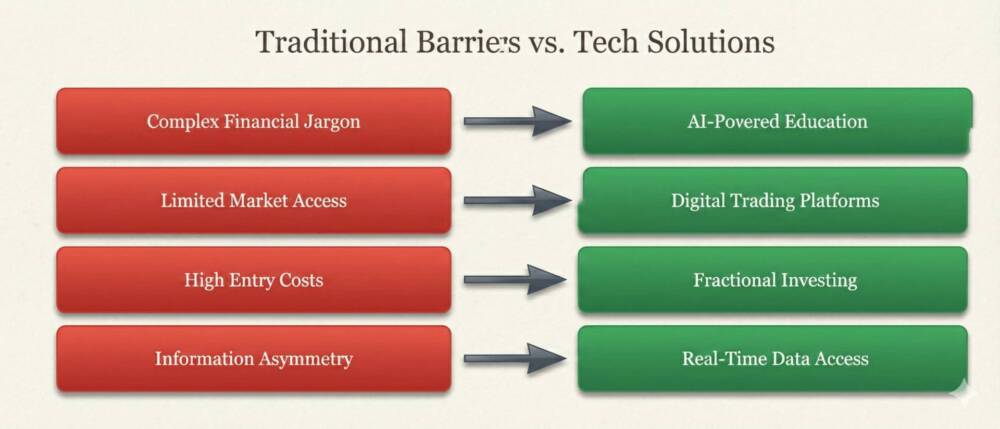 How technology removes traditional investment barriers
 Comparison of data processing capabilities: Traditional vs. AI-Powered methods
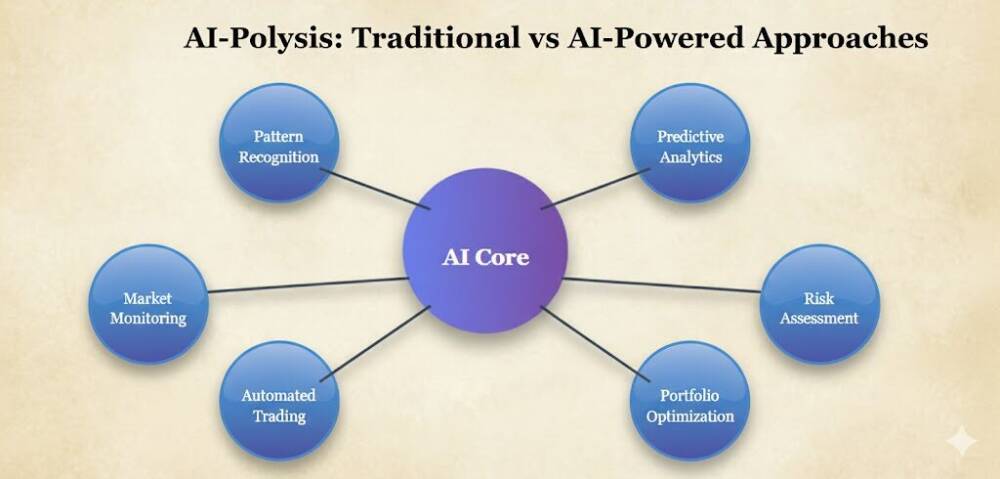 The interconnected capabilities of AI in modern investment strategies



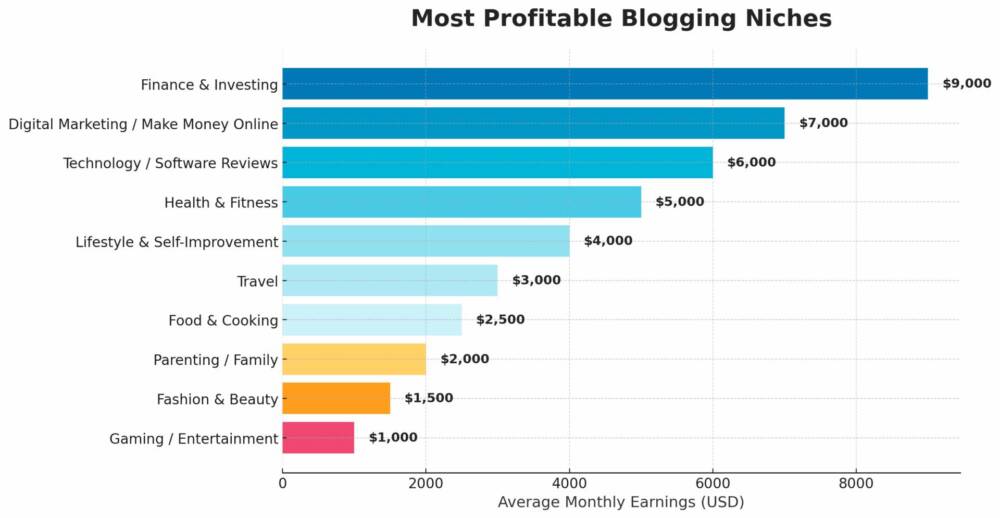

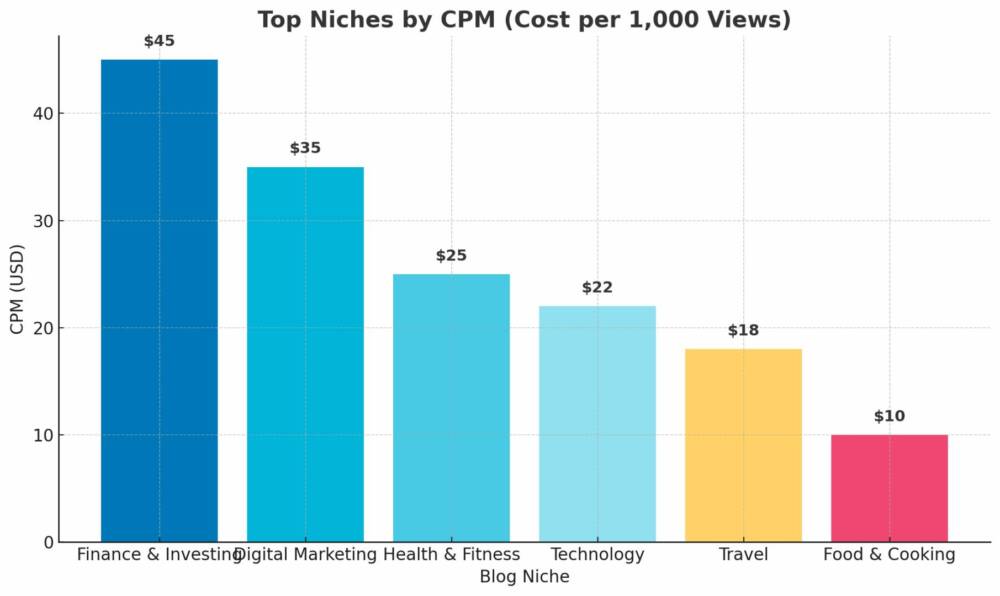












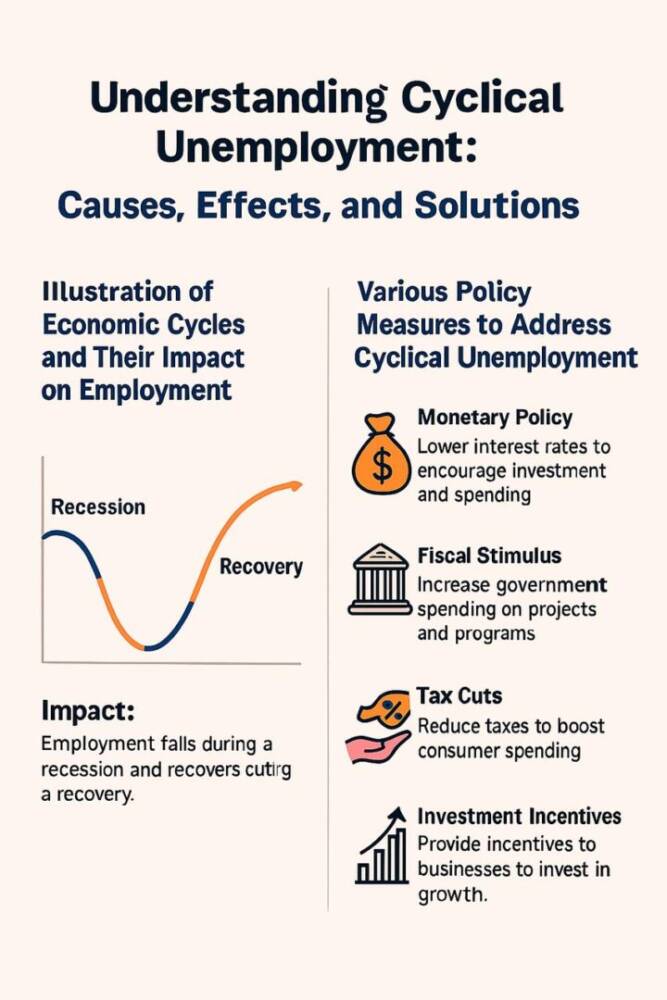
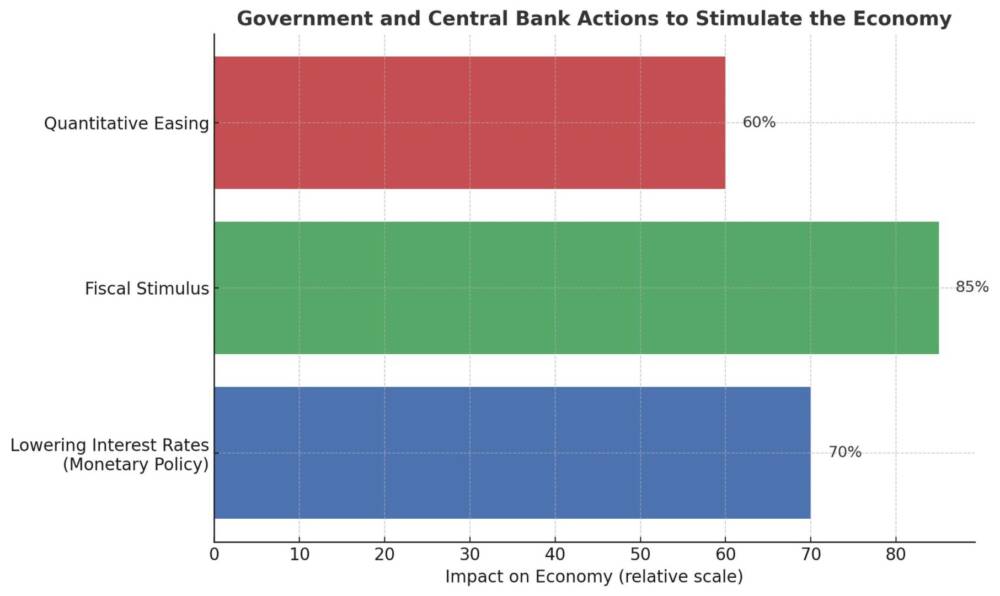














 Hypothetical comparison of stacks: development speed, scalability, community, and learning curve.
 First-year metrics: rising MRR and active users, falling churn. Instrument these from day one.